

Flexible workspaces have become the new standard for modern offices, and it’s easy to see why. Businesses want environments that support collaboration, focus, comfort, and movement—not rigid layouts that feel stuck in another decade. At Workspace Inc., teams see every day how the right setup can completely change how people work. When a space adapts to employees instead of the other way around, productivity and morale naturally rise. And honestly, who doesn’t want a workplace that feels good to be in?
Below is a breakdown of the most popular flexible workspaces, why they matter, and how they help companies of all sizes—from small startups to those needing office space for large companies—create environments where everyone can thrive.
Key Takeaways
- Flexible workspaces support collaboration, focus, and comfort.
- Different types of workspaces ensure every employee has what they need.
- Open layouts encourage teamwork, while private spaces support deep focus.
- Hot desking and office hoteling help maximize space efficiency.
- Soft seating, breakout areas, and neighborhoods create a more human, engaging workplace.
Open Work Spaces
Open workspaces are one of the most recognizable types of workspaces today. They remove physical barriers and encourage teams to communicate more naturally. Instead of being tucked away in cubicles, employees can see and talk to each other with ease.
These layouts work especially well for creative teams, fast-moving departments, and companies that rely on quick collaboration. They also make it easier to reconfigure furniture as teams grow or shift priorities. While open layouts aren’t perfect for every task, they’re a strong foundation for a flexible office.

Hot Desking & Office Hoteling
Hot desking and office hoteling are two of the most popular types of workspaces for hybrid teams. Hot desking allows employees to choose any available seat when they arrive. Office hoteling takes it a step further by allowing employees to reserve a workspace in advance.
Both options reduce unused space, cut down on clutter, and give employees the freedom to work where they feel most productive that day. They’re especially helpful for companies with rotating schedules or remote-first cultures.
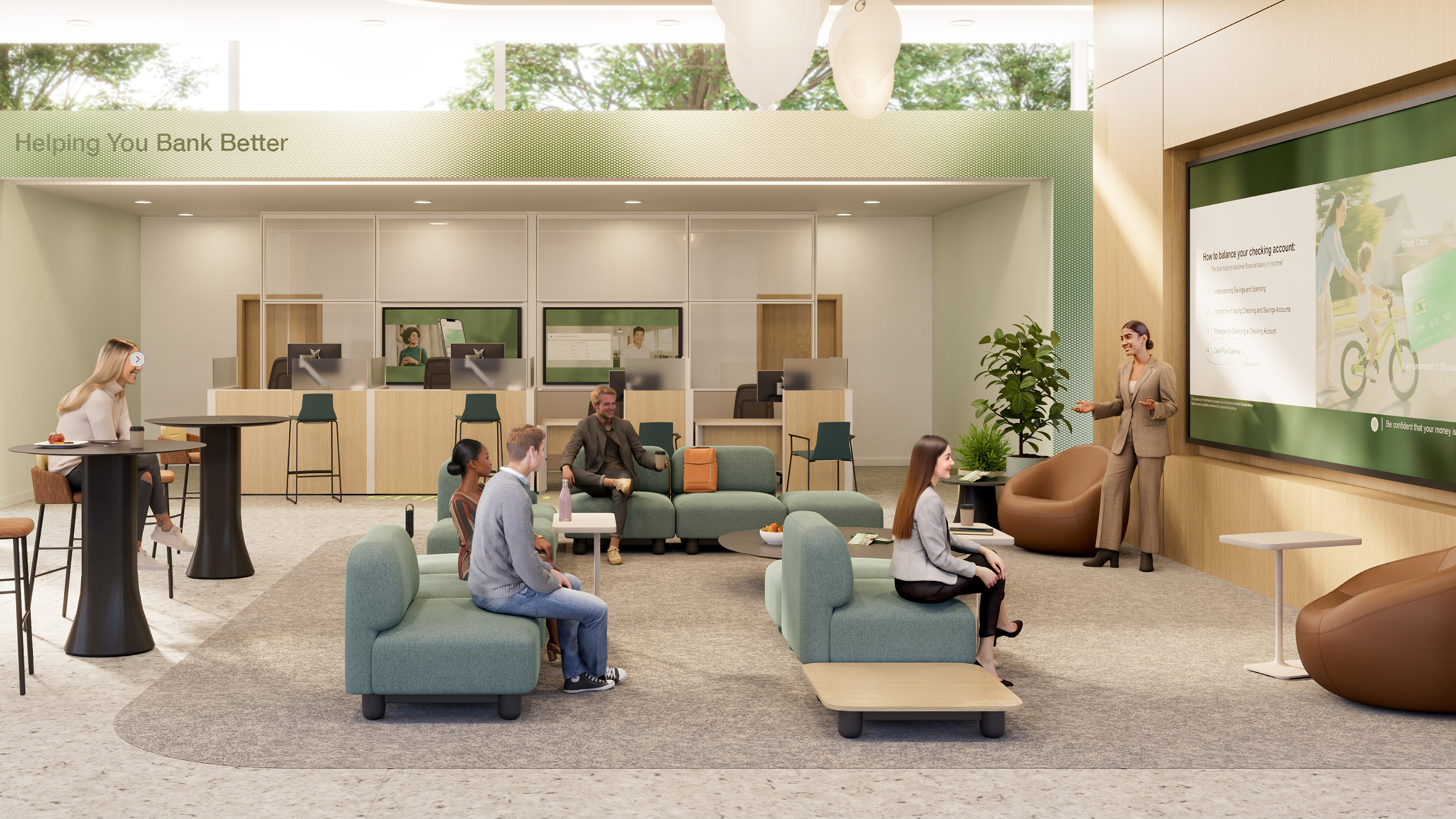
Soft Seating Areas
Soft seating brings comfort into the workplace—think lounge chairs, couches, and casual nooks. These areas are perfect for quick conversations, laptop work, or simply taking a breather between meetings.
Soft seating helps break up the formality of traditional offices and encourages spontaneous collaboration. It’s a simple way to make a workplace feel more inviting without sacrificing productivity.
Assigned Workspaces
Even in flexible environments, some employees still need consistency. Assigned workspaces give team members a dedicated spot to store materials, set up equipment, and maintain a sense of routine.
This option works well for roles that require specialized tools, sensitive documents, or deep focus. It’s a reminder that flexibility doesn’t mean eliminating structure—it means offering the right mix.
Neighborhoods
Neighborhoods are one of the most effective ways to organize collaborative office spaces. Instead of grouping desks randomly, companies cluster teams by function or workflow. Marketing sits near design. Sales sits near customer service. IT sits near operations.
This setup reduces communication barriers and helps teams feel more connected. It also keeps noise levels manageable by grouping similar work styles together.

Meeting Spaces
Meeting spaces come in all shapes and sizes—formal conference rooms, small huddle rooms, and quick stand-up areas. The key is variety. Not every conversation needs a 12-seat boardroom.
Flexible meeting spaces help teams collaborate without disrupting others. They also support hybrid work by offering rooms equipped with video conferencing tools.
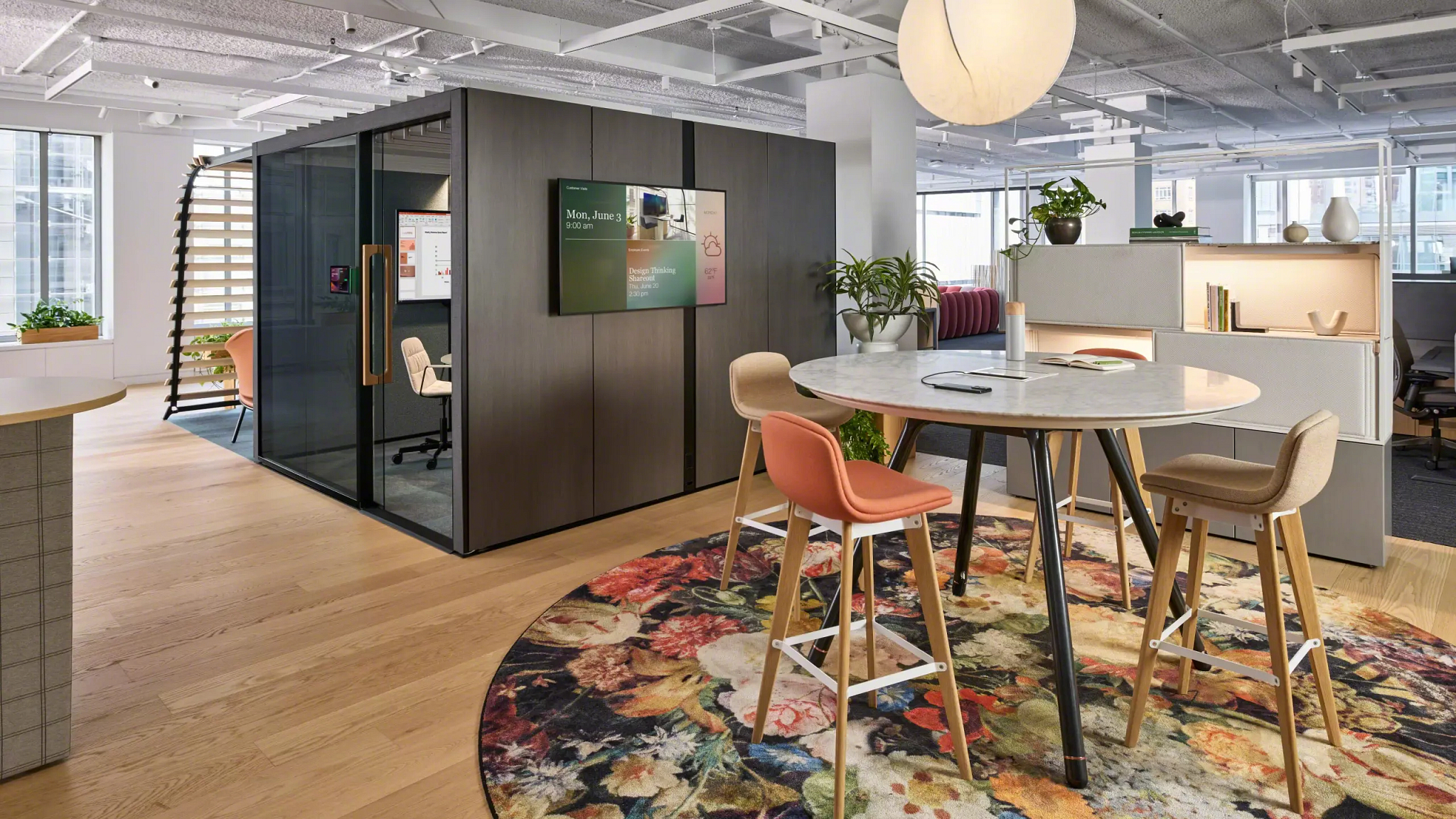
Private Spaces
Even the most collaborative offices need quiet zones. Private spaces give employees a place to focus, take calls, or handle sensitive conversations without distraction.
These can be phone booths, small enclosed rooms, or soundproof pods. They’re essential for balancing the openness of modern offices with the need for concentration.
Breakout Spaces
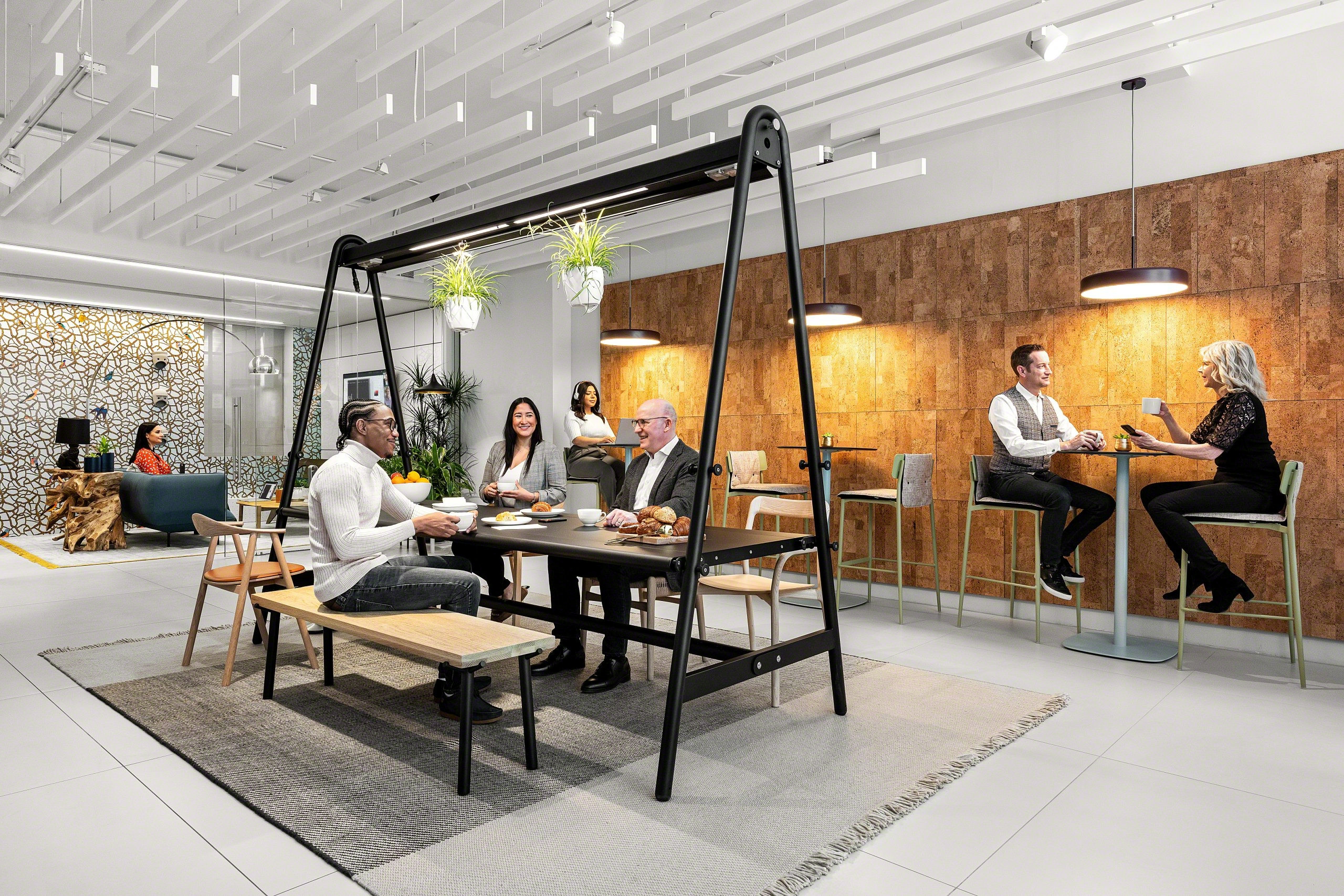
Breakout spaces are informal areas where employees can step away from their desks to brainstorm, relax, or reset. They’re often used for quick team huddles, creative sessions, or casual conversations.
These spaces help prevent burnout and encourage movement throughout the day. They’re also great for fostering community and building stronger team relationships.
Why Flexible Workspaces Matter
Flexible workspaces aren’t just a trend—they’re a response to how people actually work today. Employees want autonomy. Teams need variety. Companies need efficiency. When all of that comes together, the workplace becomes a tool for success instead of a limitation.
Whether a business is designing open work spaces, collaborative zones, or private focus rooms, the goal is the same: create an environment where everyone can do their best work.
Creating a Workplace That Works for Everyone
Flexible workspaces give companies the freedom to evolve without constant renovations or disruptions.
Workspace Inc. helps companies build environments that feel modern, functional, and genuinely enjoyable. With the right mix of spaces, any workplace can become a place where employees feel empowered to do their best work every day.