

Figuring out how much room your team really needs can feel like a guessing game—especially as workplaces shift, grow, and adapt. At Workspace Inc., conversations with business owners often start with the same question: “How much office space per person is actually ideal?” It’s a fair question, and one that deserves more than a one‑size‑fits‑all answer. After all, every workplace has its own rhythm, culture, and way of getting things done.
And here’s the truth: the days of rigid square‑footage rules are long gone. Modern offices are more flexible, more collaborative, and more intentional than ever. So instead of chasing a magic number, it’s better to understand how your team uses the space—and how the right layout can support productivity, comfort, and growth.
Key Takeaways
- Office space per person varies widely based on layout, industry, and work style.
- Answering “What is the minimum office space per person?” depends on legal guidelines, but most workplaces need more than the minimum to function well.
- “How much office space do I need per employee?” depends on collaboration needs, privacy requirements, and hybrid schedules.
- Answering “How many sq ft per employee in an office?” typically ranges from 90–175 sq. ft., depending on layout.
- Flexible, well‑planned spaces support productivity, comfort, and long‑term growth.
Understanding Today’s Office Space Needs
For years, companies relied on simple formulas to determine office space per person. Count employees, multiply by a standard square‑foot number, and call it a day. But as hybrid schedules, shared desks, and collaboration‑heavy workflows have become the norm, those old rules don’t tell the full story anymore.
According to industry insights, the average North American employee typically needs around 150–175 square feet to work comfortably and effectively. But that number can shift depending on your layout, your industry, and how often your team is actually in the office. Open‑concept spaces, for example, often require less room per person, while private offices or specialized roles may need more.
The real key is understanding how your employees use the space on the days that matter most. Are they collaborating? Meeting with clients? Doing heads‑down work? The answers shape your ideal layout far more than a generic square‑footage rule ever could.
What Is the Minimum Office Space Per Person?
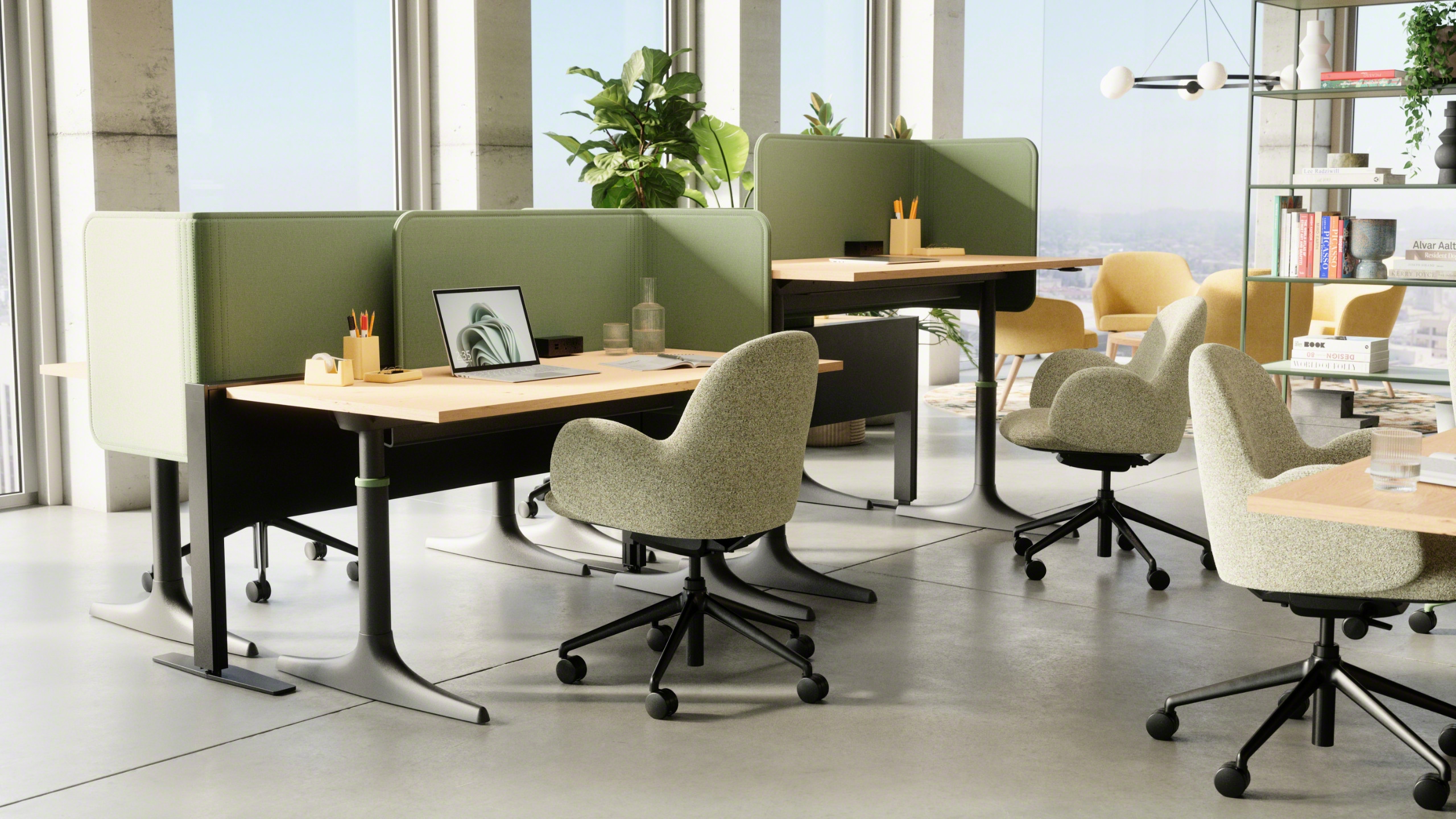
Many business owners ask, “What is the minimum office space per person?” Legally, guidelines vary by region, but a common baseline is around 50 square feet per employee—just enough for a workstation and basic movement.
But minimum doesn’t mean ideal.
Most workplaces function better with 90–150 square feet per person, depending on the mix of private desks, shared areas, and meeting rooms. And if your team handles sensitive information, client interactions, or creative work, you may need even more room to support privacy and focus.
How Much Office Space Do You Need Per Employee?
When planning your layout, it helps to start with the big question: “How much office space do I need per employee?” The answer depends on several factors:
- Work style: Hybrid teams may need fewer assigned desks but more collaboration zones.
- Industry: A call center might need 120 sq. ft. per person, while finance roles may require closer to 300 sq. ft.
- Office type: Open offices typically use less space than private‑office layouts.
- Amenities: Break rooms, conference rooms, quiet pods, and storage all add to your total footprint.
A good rule of thumb is to plan for your busiest days—not your slowest. If your team peaks at 60% in‑office attendance, design around that number rather than assuming every employee will be present every day. This approach keeps your space efficient without sacrificing comfort.
How Many Square Feet Per Employee in an Office?
If you’re trying to calculate how many sq ft per employee in an office, here’s a helpful breakdown based on modern workplace trends:
- Open office: 90–110 sq. ft. per employee
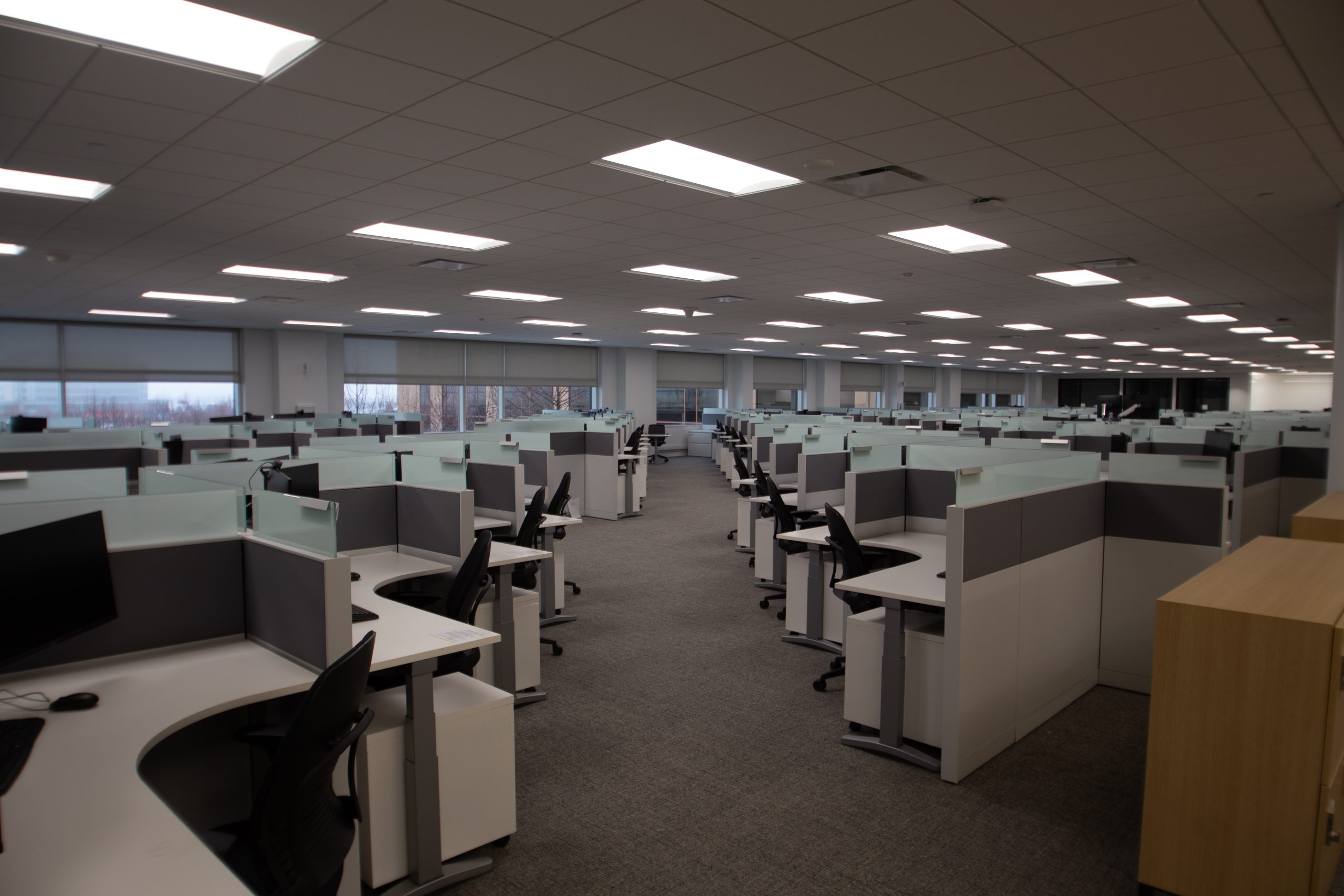
- Traditional/cubicle layout: 125–175 sq. ft. per employee
- Private office setups: 150–250 sq. ft. per employee
- Hybrid or desk‑sharing environments: 70–90 sq. ft. per employee (plus shared spaces)
These ranges reflect not just desk size but also circulation space, storage, and common areas. And with hybrid work becoming more common, many companies are shifting toward fewer assigned desks and more flexible, multi‑purpose spaces.
Designing a Workspace That Works for Your Team
At Workspace Inc., the goal is always to help businesses create environments where employees feel comfortable, supported, and ready to do their best work. That means thinking beyond square footage and focusing on how your team actually uses the space.
A well‑designed office should include:
- Dedicated workstations for focus
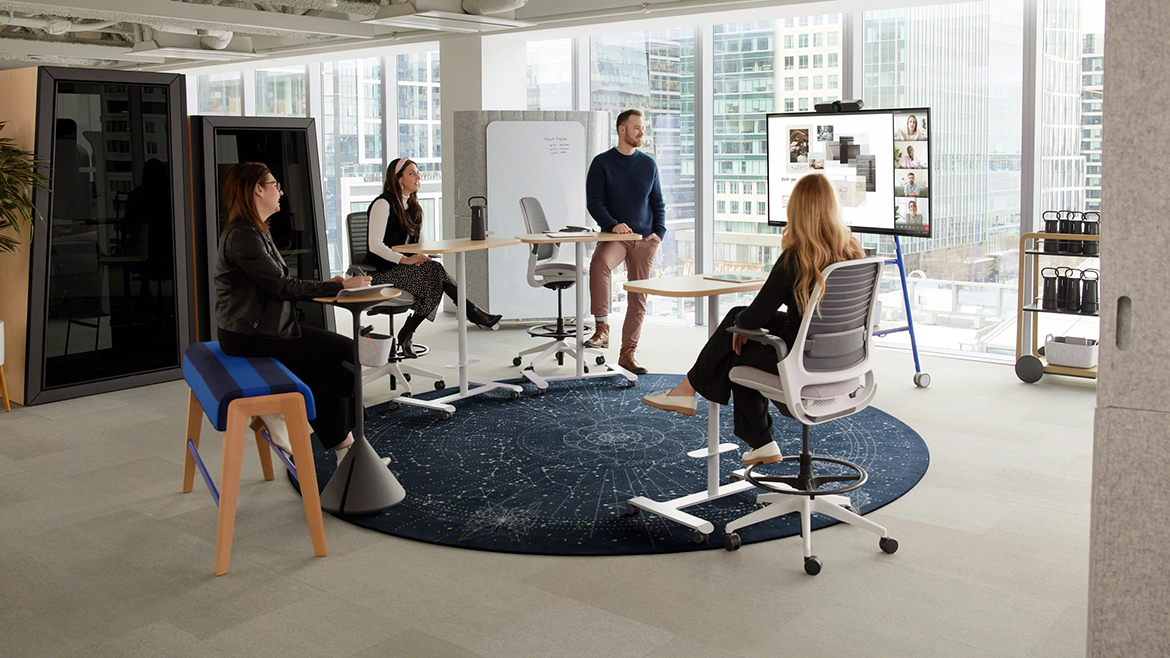
- Collaboration zones for teamwork
- Quiet rooms or pods for private calls or deep work
- Meeting rooms sized appropriately for your team
- Break areas that encourage relaxation and connection
When these elements come together, your office becomes more than a place to sit—it becomes a place where people want to work.
Creating the Right Space for Your People
Finding the perfect balance of space isn’t about hitting a single number—it’s about designing a workplace that supports your team’s daily needs. Whether your employees thrive in collaborative environments or require quiet, focused areas, the right layout can make all the difference.
As your business evolves, your space should evolve with it. By planning for flexibility, you’ll be ready to adapt to new roles, new workflows, and new ways of working—without constantly reconfiguring your entire office.