
Designing Collaborative Workspaces
Creating a workspace where people genuinely want to work together isn’t just a trend—it’s becoming the standard for modern offices. At Workspace Inc., teams see every day how the right environment can completely change the way employees communicate, brainstorm, and solve problems. When a business invests in thoughtful collaborative workspace design, it’s not just updating furniture or rearranging desks. It’s building a culture where ideas flow more freely, teamwork feels natural, and productivity rises without forcing it.
So, what actually goes into designing a collaborative workspace that works for real people, not just in theory? And how can businesses make sure the space supports both teamwork and individual focus? Let’s break it down.
Key Takeaways
- Collaborative workspaces require intentional design, not just open layouts.
- Flexible furniture helps teams adapt their environment quickly.
- Technology plays a major role in supporting real-time collaboration.
- A mix of open and private zones keeps productivity balanced.
- A well-designed collaborative workspace boosts communication, creativity, and morale.
What Makes a Workspace Truly Collaborative?
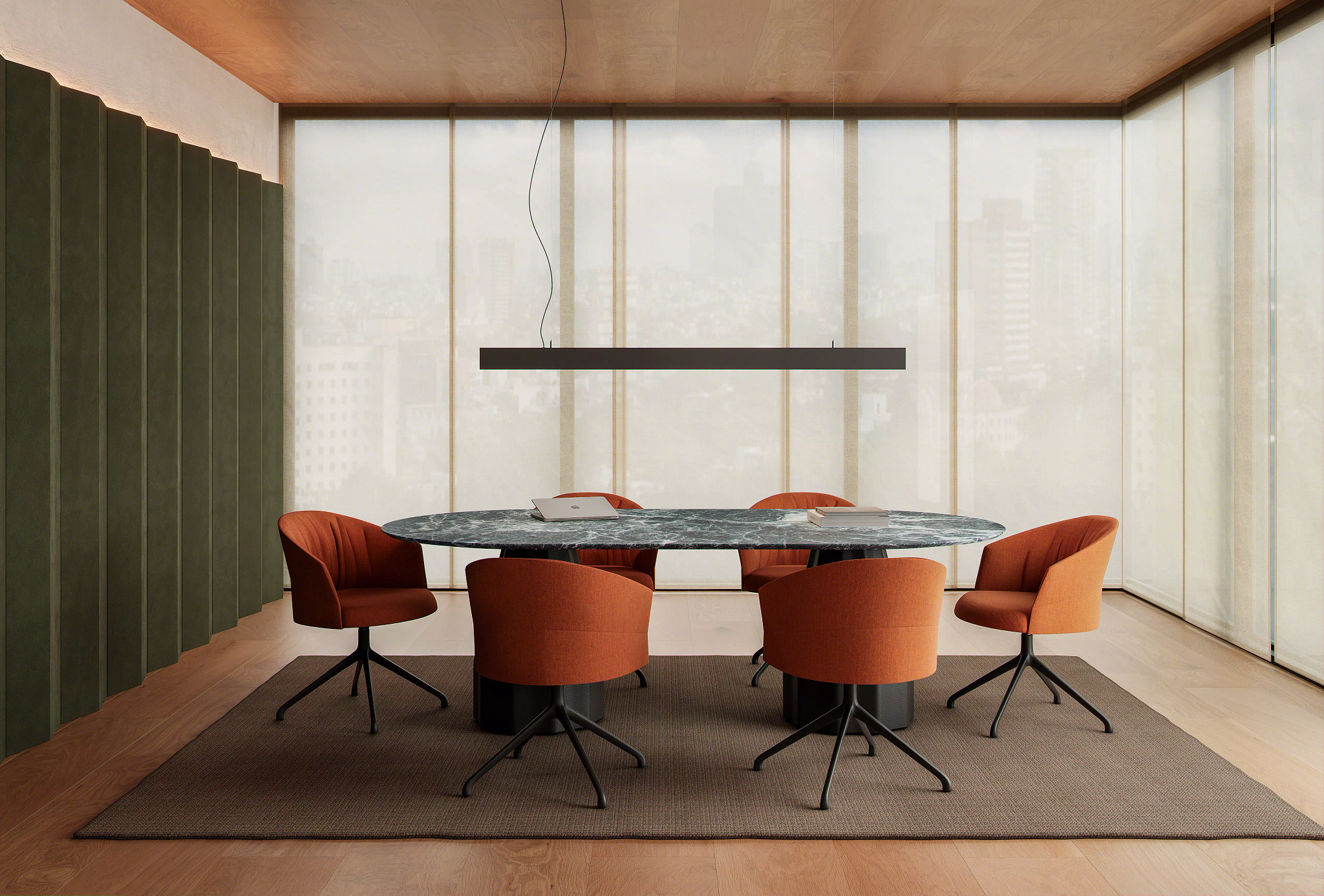
A collaborative workspace isn’t just an open floor plan with a few couches thrown in. It’s a strategic blend of layout, furniture, technology, and atmosphere that encourages people to interact when they need to—and step back when they don’t.
A strong collaborative office space design usually includes:
- Areas for quick, informal conversations
- Spaces for structured meetings
- Quiet zones for focused work
- Flexible furniture that adapts to different tasks
- Technology that supports seamless communication
When these pieces come together, the office becomes more than a place to sit. It becomes a tool that helps teams work better.
Start With the Purpose of the Space
Before choosing furniture or rearranging layouts, it’s important to understand what the team actually needs. Some businesses thrive on spontaneous brainstorming. Others need more structured collaboration. Some rely heavily on digital tools, while others prefer face-to-face discussions.
A few questions businesses often consider:
- Do teams collaborate frequently or only during certain projects?
- Are meetings usually formal or casual?
- Does the work require large surfaces, screens, or shared tools?
- How much privacy do employees need throughout the day?
Understanding these needs helps shape a workspace that supports real workflows—not just what looks good in a catalog.
Flexible Furniture Makes All the Difference
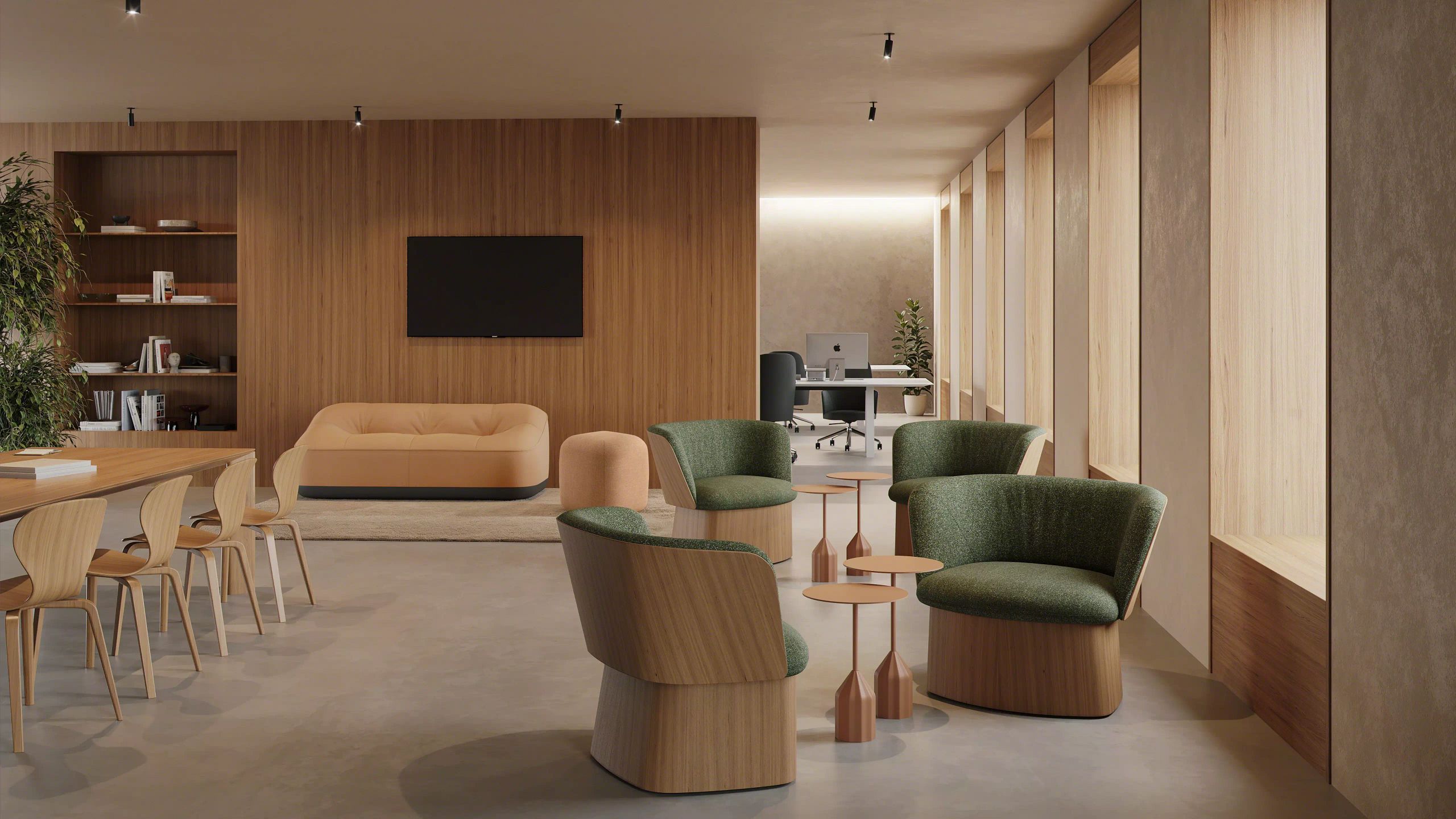
One of the biggest advantages of modern office design is flexibility. Furniture that moves, stacks, rolls, or reconfigures allows teams to adjust their environment instantly. That’s why Workspace Inc. often recommends modular tables, mobile whiteboards, and seating that can shift from solo work to group discussions in seconds. When a space can transform quickly, collaboration becomes more natural. Teams don’t have to hunt for a meeting room or squeeze around a desk. The workspace adapts to them, not the other way around.
Technology That Supports Real-Time Collaboration
Even the best-designed space falls short without the right tech. Today’s collaborative teams rely on tools that help them share ideas instantly—whether they’re in the same room or across the country. A strong collaborative setup might include: Wireless screen sharing, large digital displays, video conferencing tools, charging stations and power access, and shared digital whiteboards. When technology is easy to use and always accessible, teams stay connected and engaged. It removes friction and keeps the focus on the work—not the setup.
Creating Zones for Different Types of Work
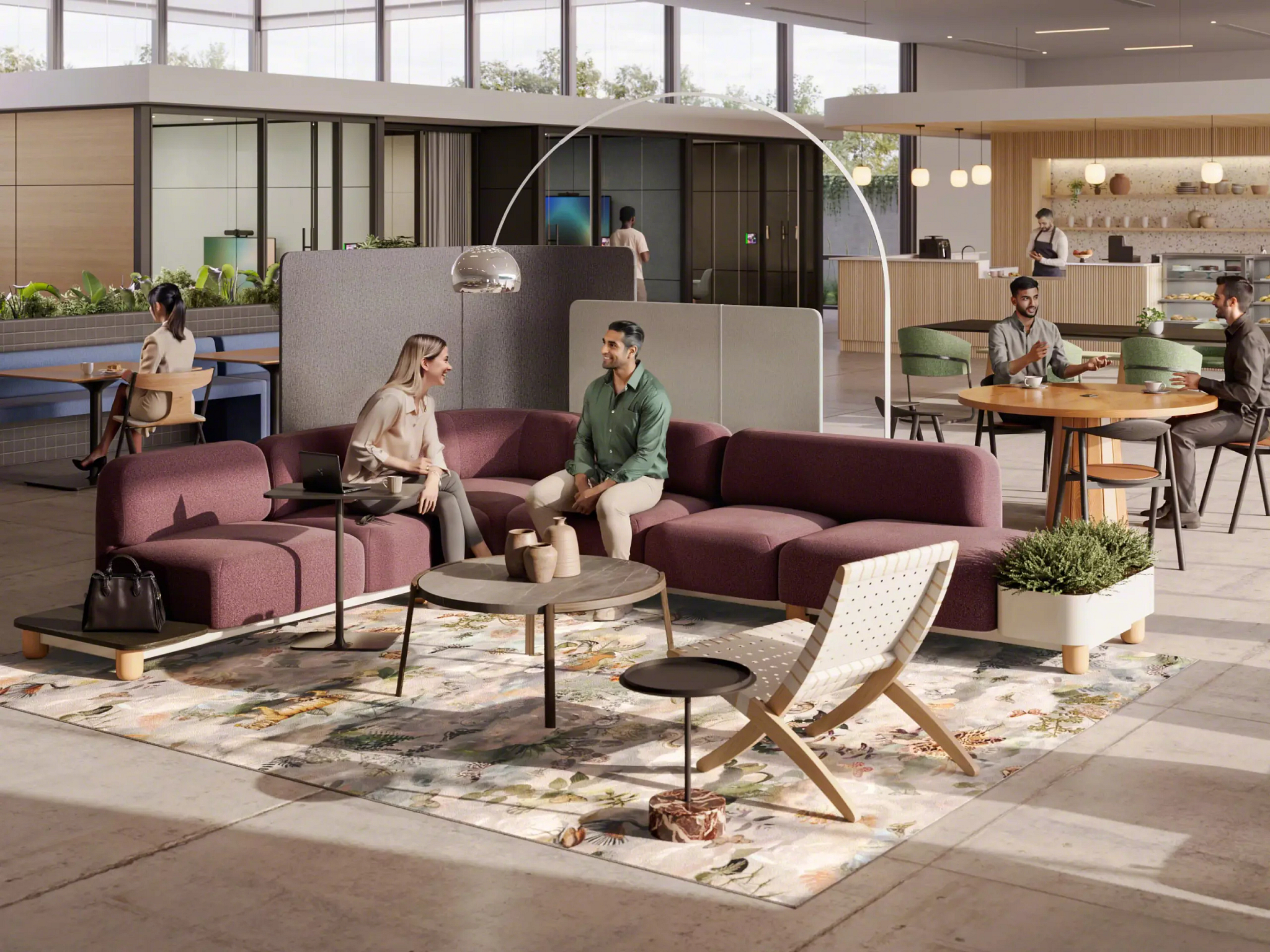
Not every task requires a group effort. In fact, some of the best collaborative ideas come from moments of quiet reflection. That’s why well-designed collaborative office spaces include a mix of open areas and private nooks. A balanced workspace might feature: Open lounges for casual teamwork, semi-private booths for small groups, enclosed rooms for confidential conversations, and quiet corners for deep focus. This variety ensures employees can choose the environment that fits their task, mood, or energy level.
The Benefits of a Well-Designed Collaborative Workspace
When businesses invest in thoughtful collaborative design, the payoff is noticeable. Teams communicate more clearly. Projects move faster. Employees feel more connected to their work and to each other. Some of the biggest benefits include: Stronger teamwork and communication, higher creativity and idea generation, improved employee satisfaction, better use of office space, and increased productivity without added pressure. A collaborative workspace isn’t just about aesthetics—it’s about building an environment where people feel supported and empowered.
Building a Space Where Collaboration Thrives
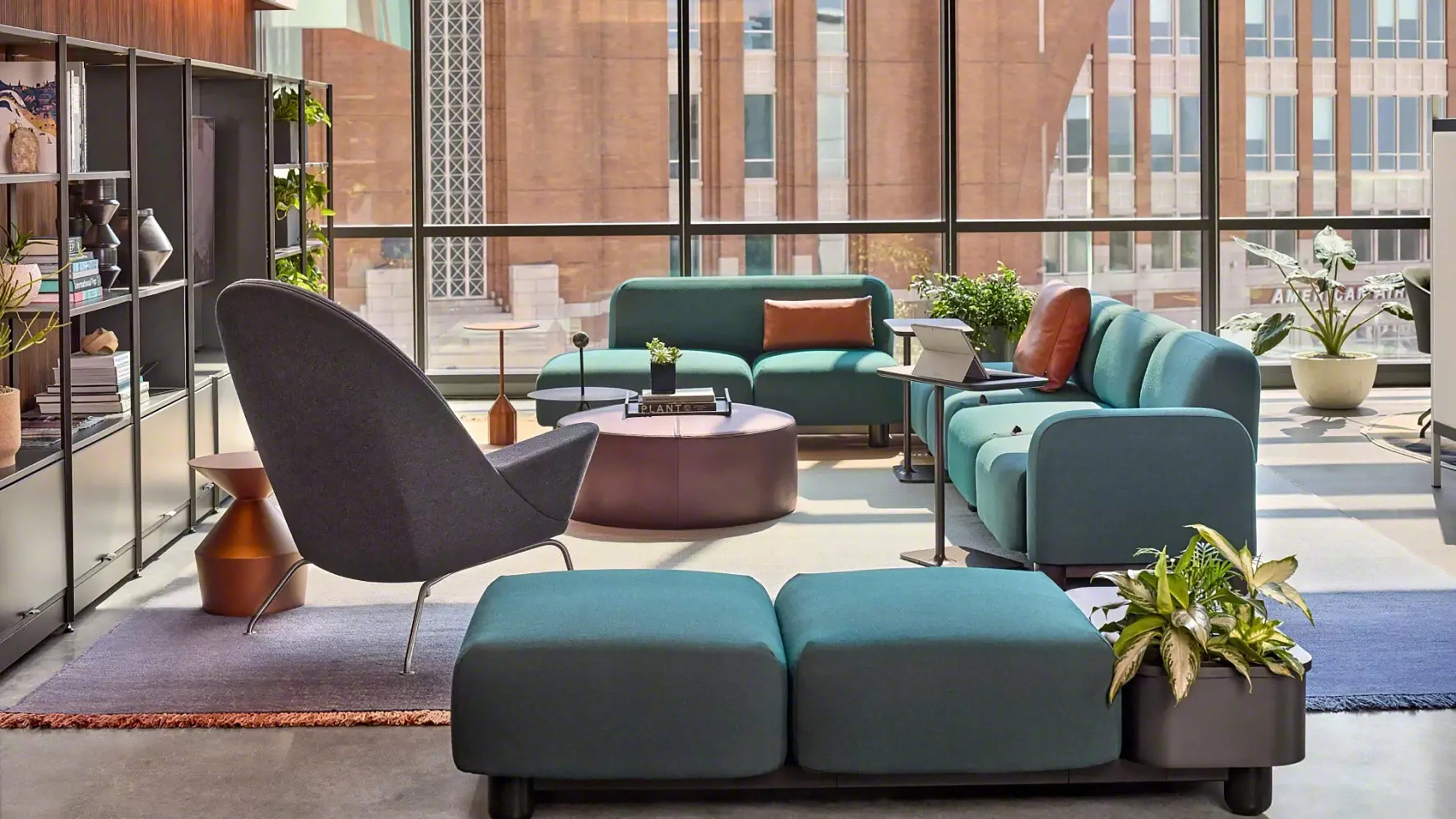
Designing a collaborative workspace isn’t a one-size-fits-all process. It’s about understanding how a team works, what motivates them, and what tools they need to succeed. At Workspace Inc., the goal is always to help businesses create environments that feel natural, functional, and inspiring. When a workspace supports collaboration at every level, the entire organization benefits—from daily workflow to long-term growth.
FAQ
What is a collaborative workspace?
A collaborative workspace is an office environment designed to support teamwork through flexible layouts, shared tools, and technology that encourages communication.
Do collaborative spaces reduce privacy?
Not when designed correctly. The best layouts include both open areas and private zones for focused work.
How can small offices create collaborative areas?
Modular furniture, mobile whiteboards, and multi-purpose rooms make it easy to support collaboration even in limited space.
What technology is essential for collaboration?
Video conferencing tools, wireless screen sharing, digital displays, and accessible power sources are key.
Why are collaborative workspaces becoming so popular?
They help teams communicate better, innovate faster, and stay more engaged—making them a smart investment for modern businesses.