
Building Design Ideas for Smaller Commercial Offices
Designing a smaller commercial office can feel like a balancing act. You want it to look sharp, support your team, and reflect your company culture—without feeling cramped or chaotic. At Workspaces Inc., conversations with businesses of all sizes always circle back to the same question: How do you make a small office feel intentional, efficient, and uniquely yours? The good news is that a thoughtful approach to commercial office design can completely transform how your team works and how your customers perceive your brand.
Small spaces don’t have to feel limiting. In fact, they often spark the most creative solutions. When every square foot counts, you start paying attention to the details that truly matter—workflow, comfort, and your business’s personality. Whether you’re refreshing an older layout or planning a new small office building, the right design choices can elevate productivity and create a space people genuinely enjoy walking into each day.
Key Takeaways
- Thoughtful office building design can dramatically improve workflow and employee satisfaction.
- Start by reworking what you already have before investing in new pieces.
- Technology should simplify your space, not clutter it.
- Plants and bold furniture choices add personality without overwhelming the room.
- Let your company culture guide your design decisions for a more authentic workspace.
Start With What You Already Have
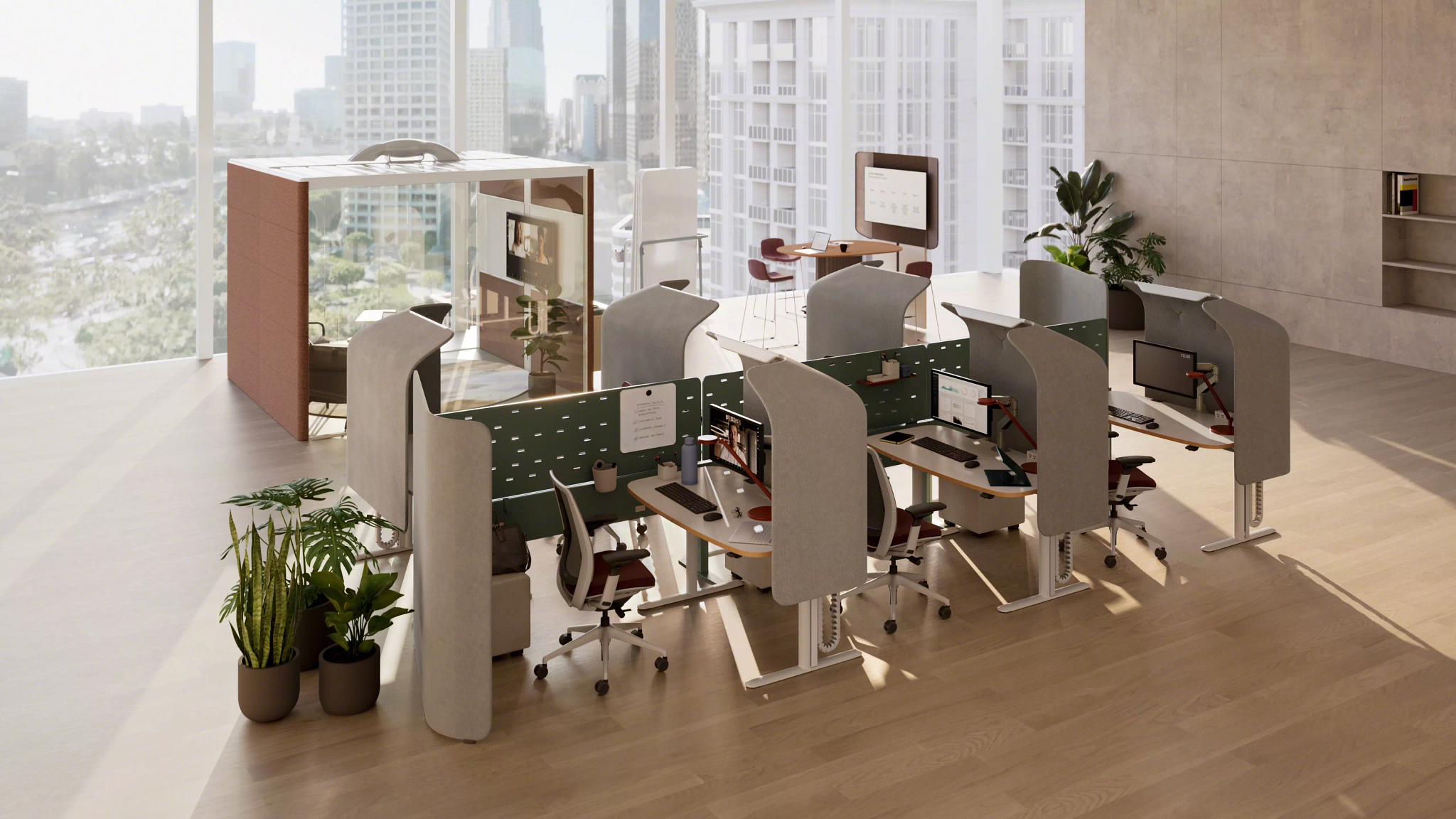
Before making new purchases or big changes, take a step back and review your current layout. Sometimes the best design ideas come from simply rethinking what’s already there. Are desks positioned to support natural movement? Are storage areas eating up more space than they should? Could a simple rearrangement open up the room?
Many businesses are surprised by how much space they gain by decluttering, consolidating storage, or shifting furniture a few feet. It’s the kind of “simple perfection” that makes a small office feel bigger without adding anything new. When nothing sticks out or feels out of place, the entire environment becomes calmer and more functional.
Lean Into Technology That Works for You
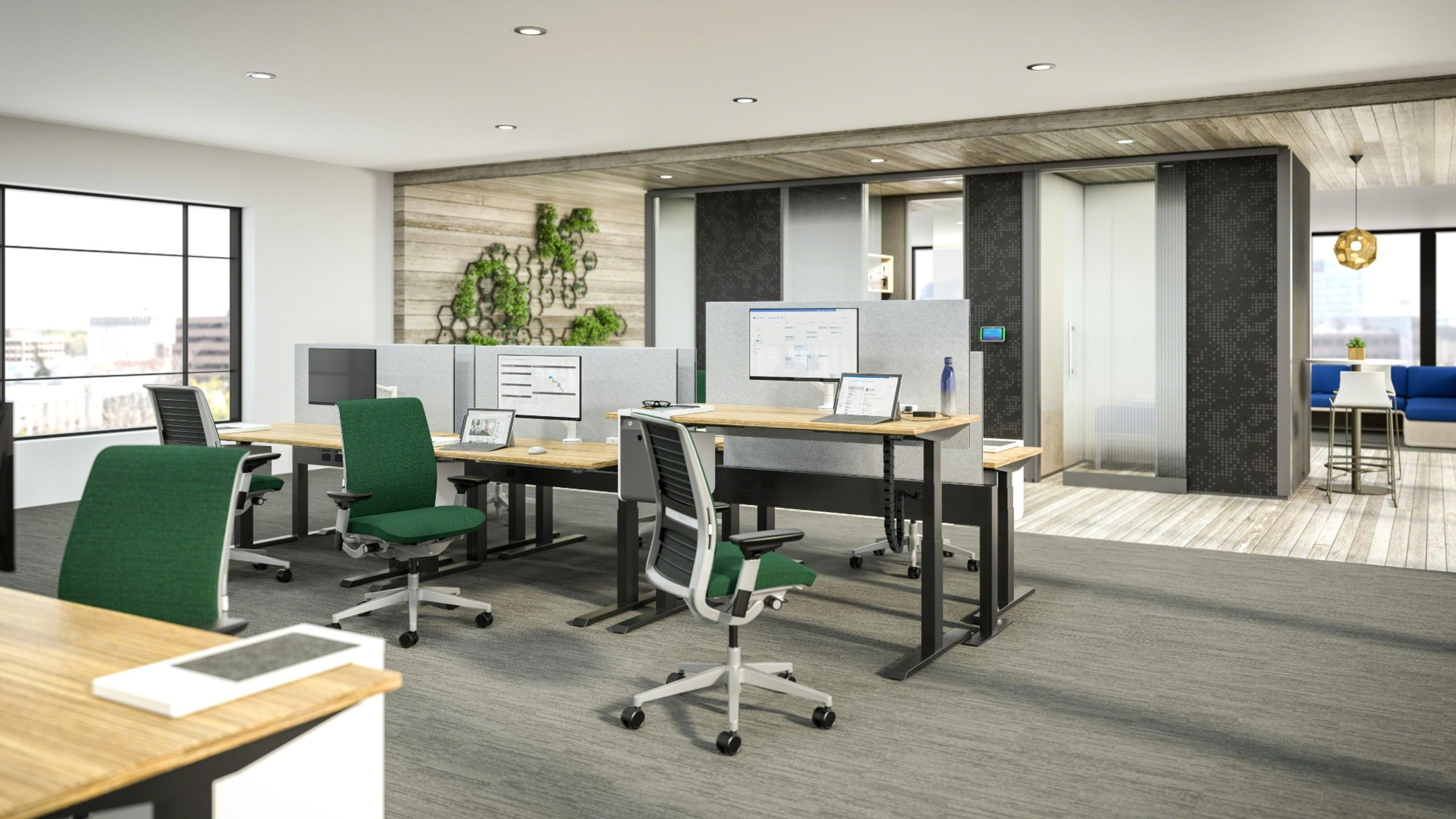
Modern offices rely heavily on technology, but in a smaller space, tech can either streamline your workflow or clutter it. The trick is choosing tools that reduce physical bulk and support your team’s daily tasks.
Think wireless everything—keyboards, chargers, headsets. Consider wall‑mounted screens for meetings instead of bulky conference tables. Cloud‑based systems can also eliminate the need for large filing cabinets or storage rooms. When tech is integrated thoughtfully, it becomes part of your office building design, not an obstacle in it.
And let’s be honest: nothing makes a small office feel more modern and capable than clean surfaces and seamless digital tools.
Bring Life Into the Space With Plants
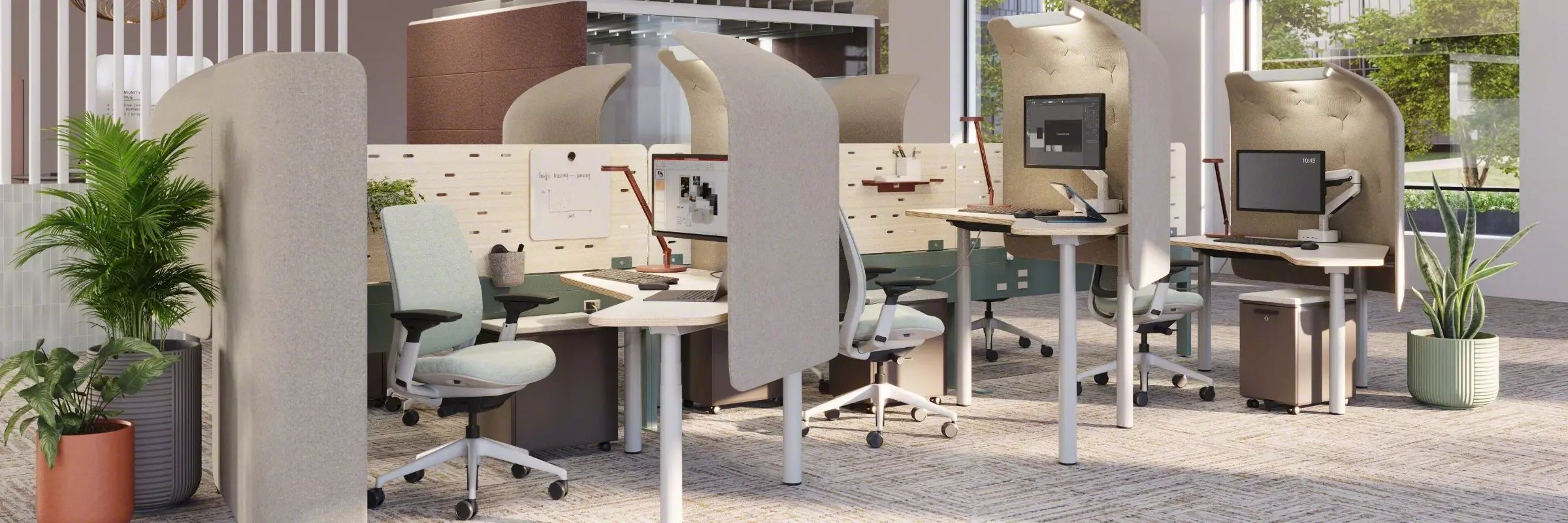
Plants do more than look nice. They soften the edges of a small office, improve air quality, and create a sense of calm that employees appreciate—especially during busy days. Even a few well‑placed plants can make a noticeable difference.
Tall, narrow plants work well in corners. Small succulents or leafy greens brighten desks without taking up valuable workspace. If your office has limited natural light, there are plenty of low‑maintenance options that thrive indoors. Plants help create a welcoming environment that feels intentional and cared for, which says a lot about your company culture.
Use Bold, Unique Furniture to Make a Statement
Small offices don’t have to play it safe. In fact, bold furniture choices can make the space feel more dynamic and memorable. A unique lounge chair, a striking reception desk, or a colorful meeting nook can instantly elevate the room.
The key is choosing pieces that are both functional and expressive. When furniture doubles as a design feature, you don’t need as many decorative elements competing for attention. This approach keeps the space clean while still showcasing your brand’s personality.
Placement matters, too. Angling a desk, floating a table in the center of the room, or using modular seating can change how people move through the space. Smart placement is one of the most underrated tools in commercial office design, especially when square footage is limited.
Let Your Culture Lead the Design
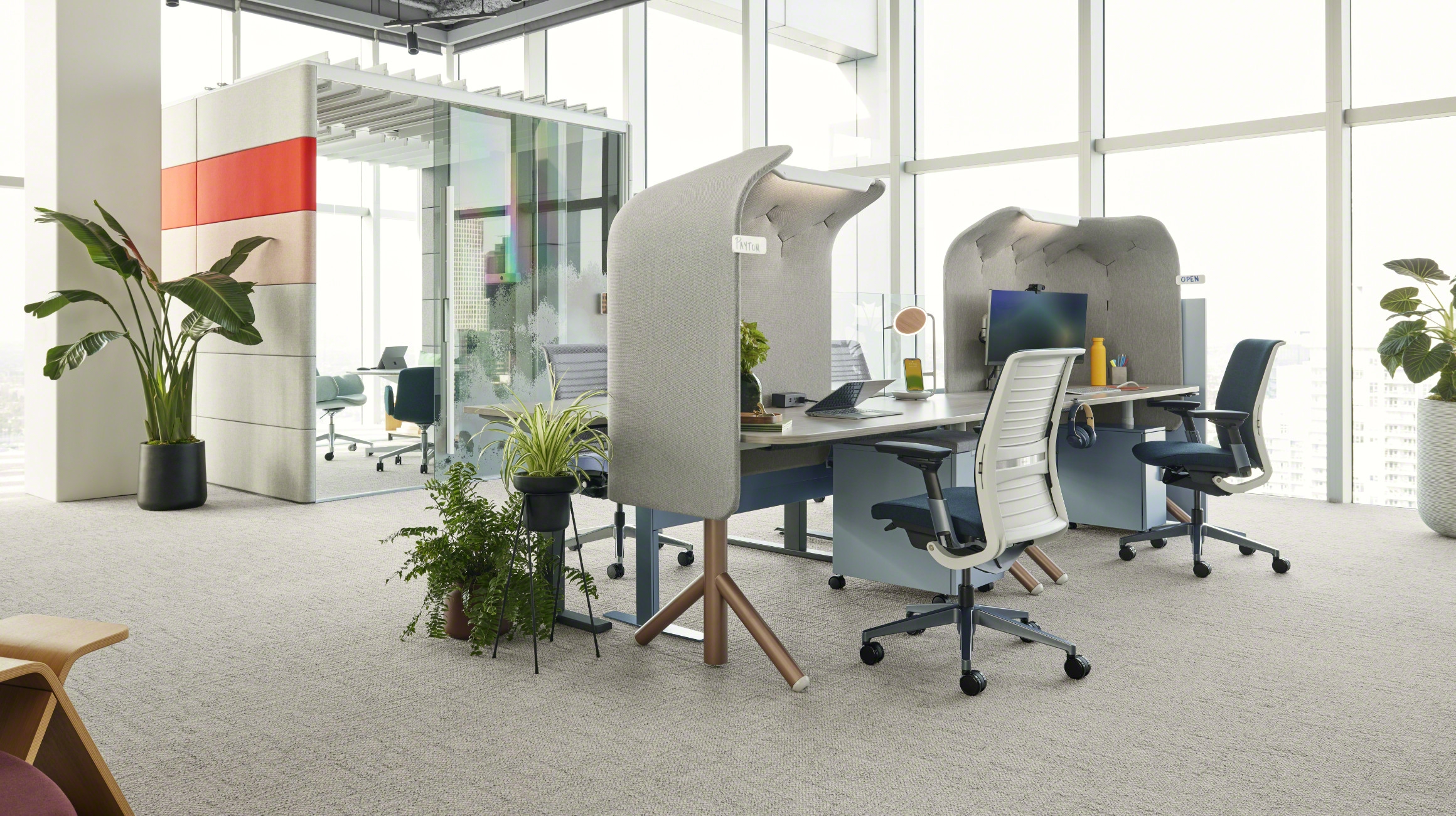
Every business has a story, and your office should reflect it. Maybe your company values collaboration—open seating and shared tables can support that. Maybe you’re all about focus and deep work—quiet zones or acoustic panels might be the answer. Or maybe your brand thrives on creativity—artwork, color, and flexible spaces can help spark new ideas.
Culture-driven design isn’t about filling the office with slogans or branded décor. It’s about creating an environment where your team feels supported and aligned with the mission. When employees feel connected to the space, productivity naturally follows.
Small Offices, Big Impact
A smaller office doesn’t limit your potential—it sharpens your focus. When every design choice is intentional, the space becomes more efficient and more inspiring. Your office should reflect who you are as a business. With the right blend of technology, layout, and personality, even a small office building can make a big impression.
FAQ
How do you make a small commercial office feel larger?
Strategic furniture placement, decluttering, and the use of vertical space can make a small office feel more open.
What’s the best type of furniture for small offices?
Modular, multi‑functional, or bold statement pieces that don’t overwhelm the room.
How can technology improve a small office layout?
Wireless tools, cloud storage, and mounted screens reduce clutter and free up valuable space.
Are plants worth adding to a small office?
Absolutely. They improve air quality, reduce stress, and make the environment more inviting.
How do you design an office that reflects company culture?
Choose colors, layouts, and furniture that support your values—collaboration, creativity, focus, or flexibility.