
Office Design Ideas
Creating a workspace that actually supports the way people work today isn’t just a trend—it’s becoming a necessity. At Workspace Inc., conversations with customers often circle back to the same question: What really makes an office feel productive, comfortable, and modern? With so many office design ideas floating around online, it can be tough to know where to start. But the truth is, great design doesn’t have to be complicated. It just needs to be intentional.
A well‑planned office design concept can completely change the way a team collaborates, focuses, and even feels throughout the day. And when a space works, you can tell. People settle in faster. Meetings run more smoothly. The whole environment feels more energized. So let’s break down some of the most effective design approaches businesses are using right now—and why they work.
Key Takeaways
- Thoughtful office design ideas can dramatically improve productivity and comfort.
- Hybrid‑friendly layouts support flexibility and reduce wasted space.
- Sustainable materials and better air quality create healthier environments.
- Acoustic planning helps reduce distractions and boosts focus.
- Social hubs and well‑designed meeting spaces encourage collaboration and creativity.
Bringing Nature Indoors
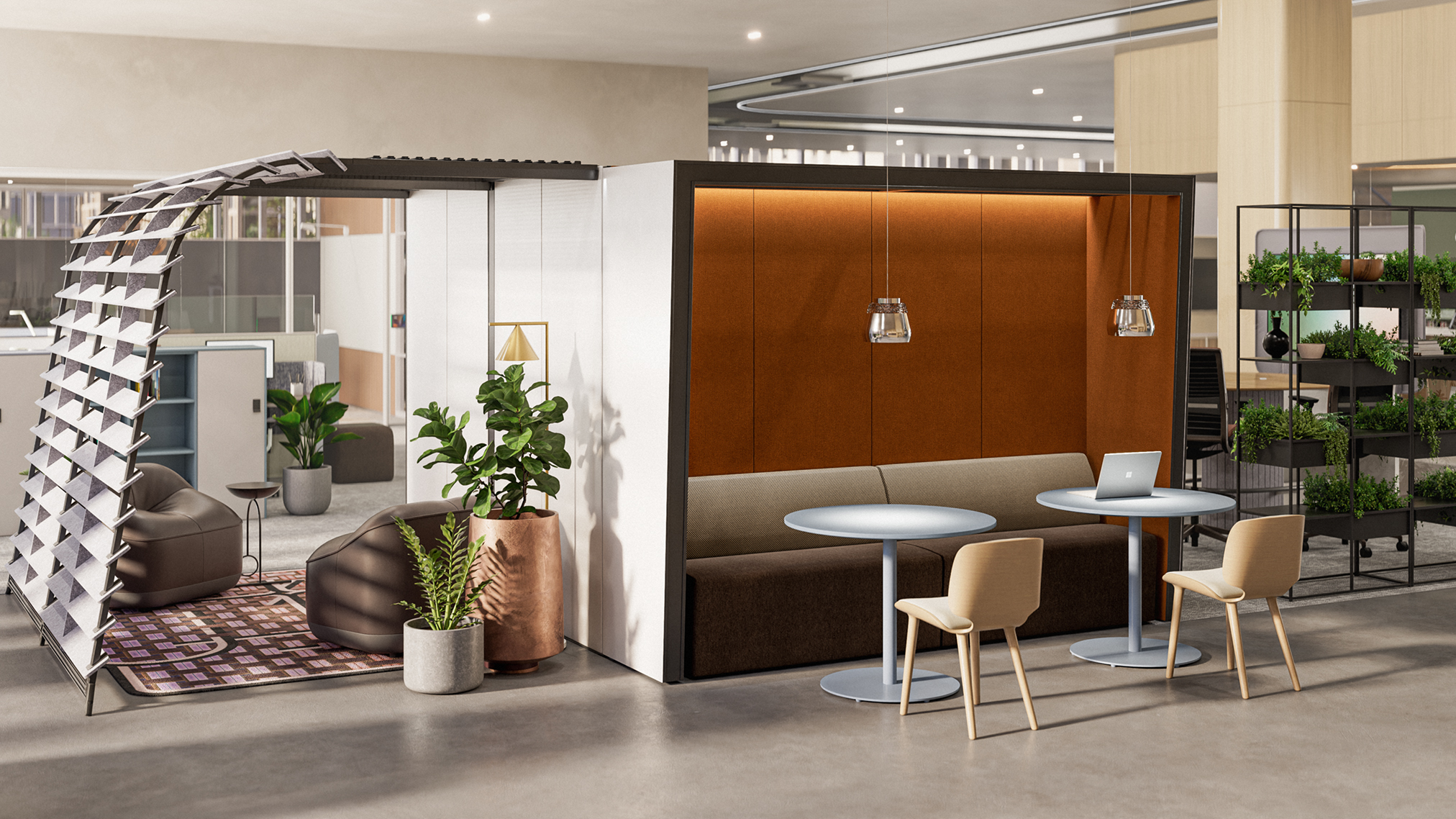
One of the simplest upgrades? Plants. Adding greenery instantly softens a space and makes it feel more welcoming. But it’s not just about aesthetics. Plants can improve air quality, reduce stress, and even boost productivity. Whether it’s a few desk plants or a full living wall, nature has a way of grounding a modern workspace.
Art plays a similar role. A splash of color or a bold mural can shift the entire mood of a room. And lighting—well, that’s a game‑changer. Natural light is ideal, but when that’s not possible, warm LED lighting can help create a more comfortable, balanced environment. These small touches might seem simple, but they’re foundational pieces of modern office design.

Designing for Hybrid Work
Hybrid work isn’t going anywhere, and offices are adapting fast. Instead of rows of assigned desks, many companies are leaning into flexible layouts. Think touchdown spaces, shared tables, and quiet corners for heads‑down work. This approach supports employees who split time between home and the office, giving them the freedom to choose the environment that fits their day.
It’s one of the most practical office ideas because it reduces wasted space while still supporting collaboration. When people come in, they’re coming in with purpose—and the space should reflect that.

Sustainable Design That Actually Matters
Sustainability isn’t just a buzzword anymore. Businesses are actively looking for ways to reduce waste, conserve energy, and create healthier environments. That might mean choosing recycled materials, installing energy‑efficient lighting, or selecting furniture built to last.
Sustainable design also ties into wellness. Better air quality, eco‑friendly finishes, and thoughtful temperature control all contribute to a workspace that feels good to be in. And when employees feel good, they work better. It’s that simple.
Acoustics: The Unsung Hero of Productivity
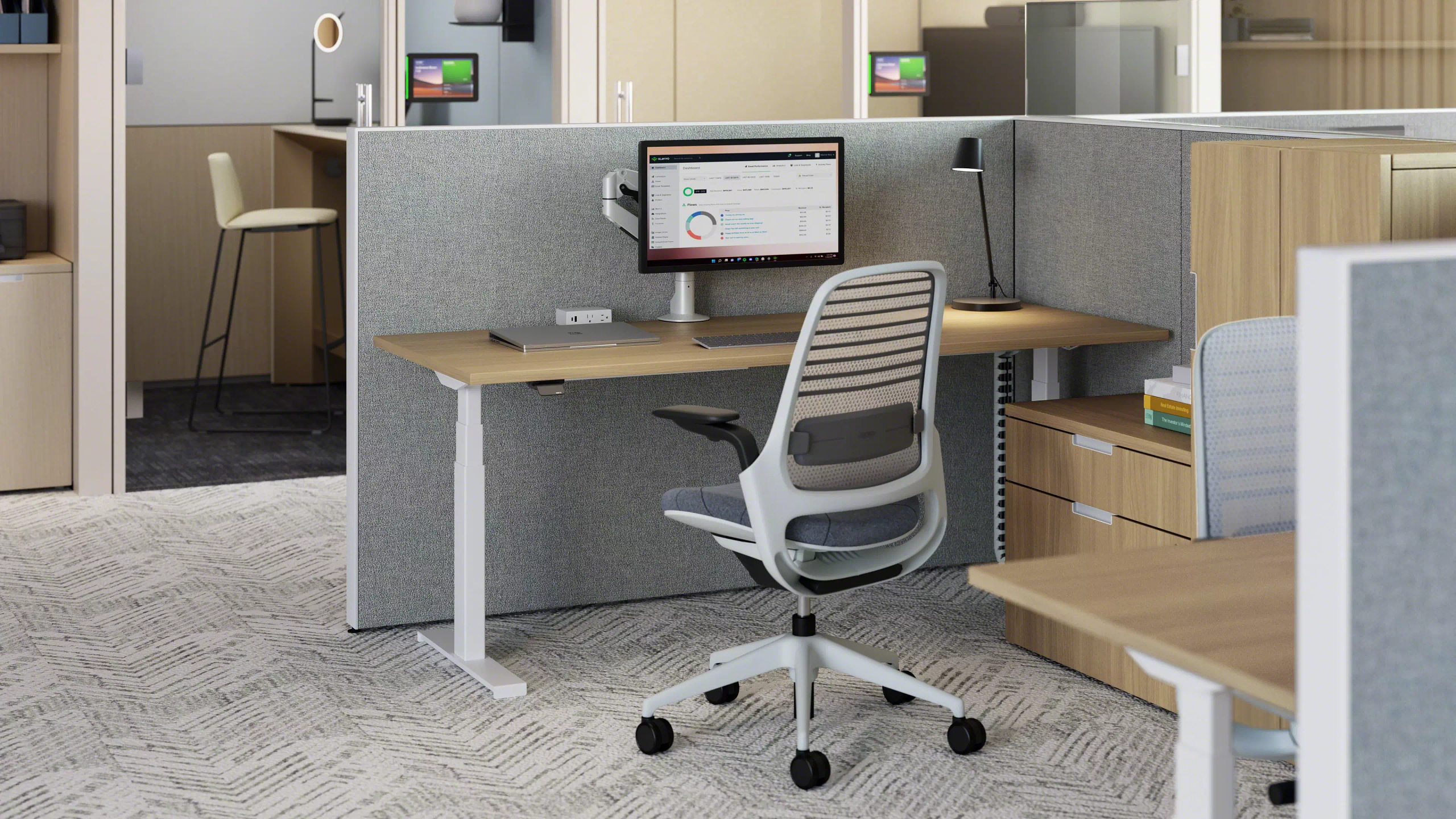
Ever tried focusing while someone’s typing loudly two feet away? Or while a meeting is happening right behind you? Acoustics is one of the most overlooked elements of office planning, yet it has a massive impact on productivity.
Acoustic panels, sound‑absorbing furniture, carpeting, and even strategic layout choices can help reduce noise distractions. When people can actually hear themselves think, the whole office benefits.
Creating Social Hubs That Bring People Together
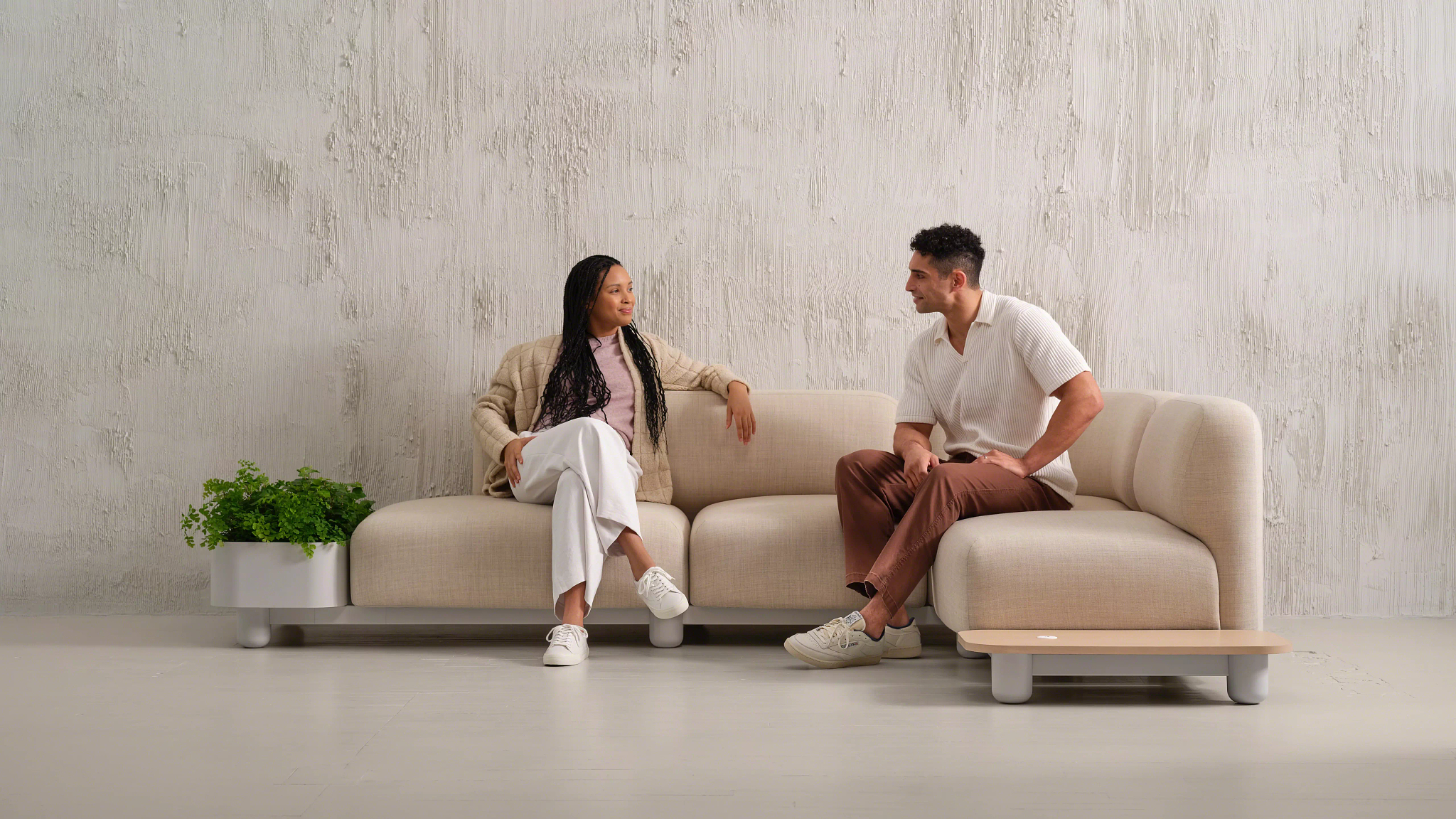
Every office needs a place where people can gather—intentionally or spontaneously. Social hubs can be lounges, café‑style seating areas, or even open collaboration zones. These spaces encourage connection, creativity, and those quick conversations that spark new ideas.
They also help balance out the quieter areas of the office. Not every moment of the workday needs to be silent or structured. Sometimes the best ideas come from casual interactions.
Meeting Spaces That Actually Work
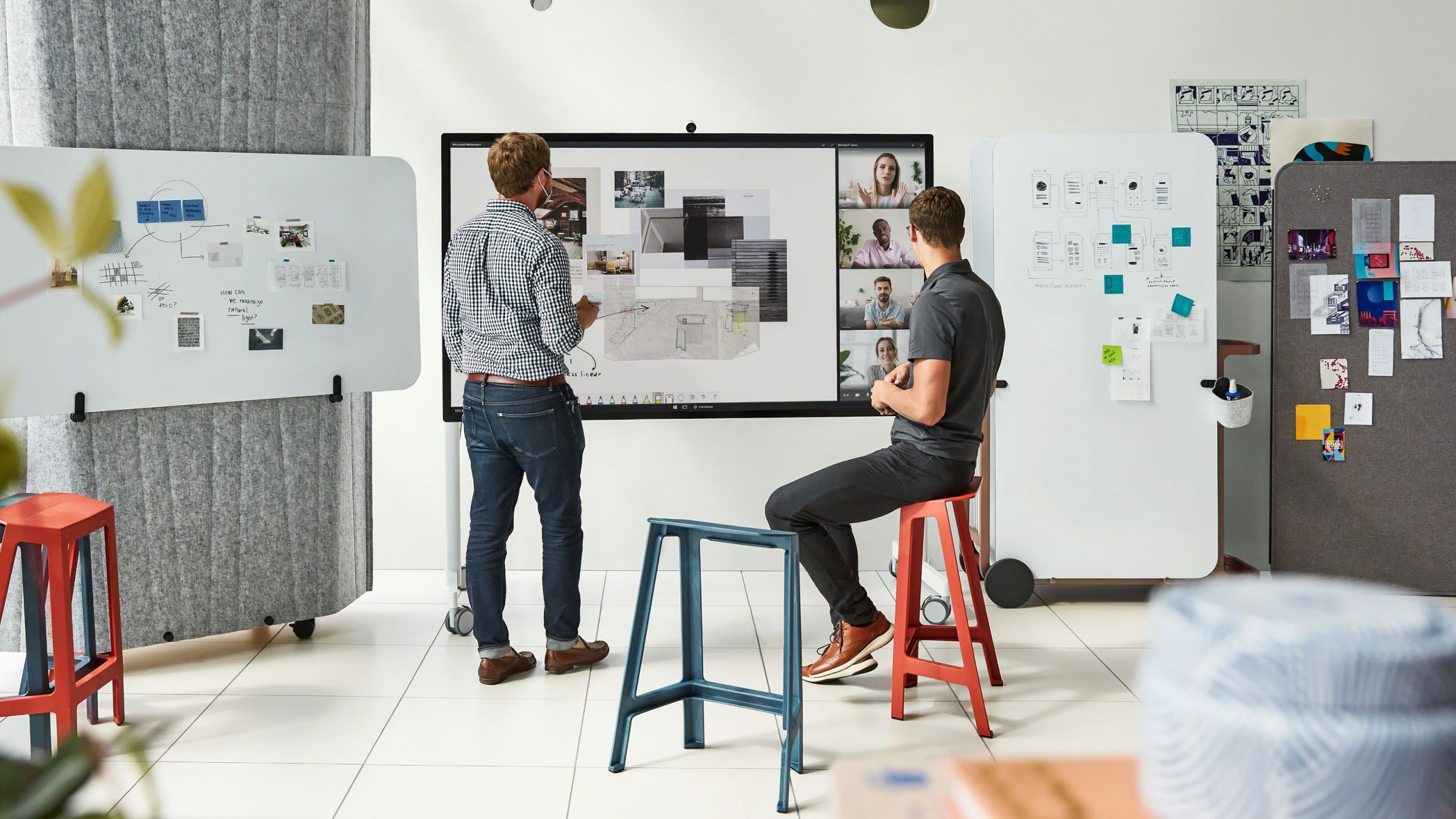
Meeting rooms have evolved. Instead of oversized conference rooms that rarely get used, many offices are shifting toward smaller, more functional spaces. Huddle rooms, video‑ready meeting pods, and flexible conference areas allow teams to collaborate without fighting for space.
Technology plays a huge role here. Reliable video conferencing, wireless screen sharing, and smart room controls make meetings smoother and more efficient. When the tech works, the meeting works.
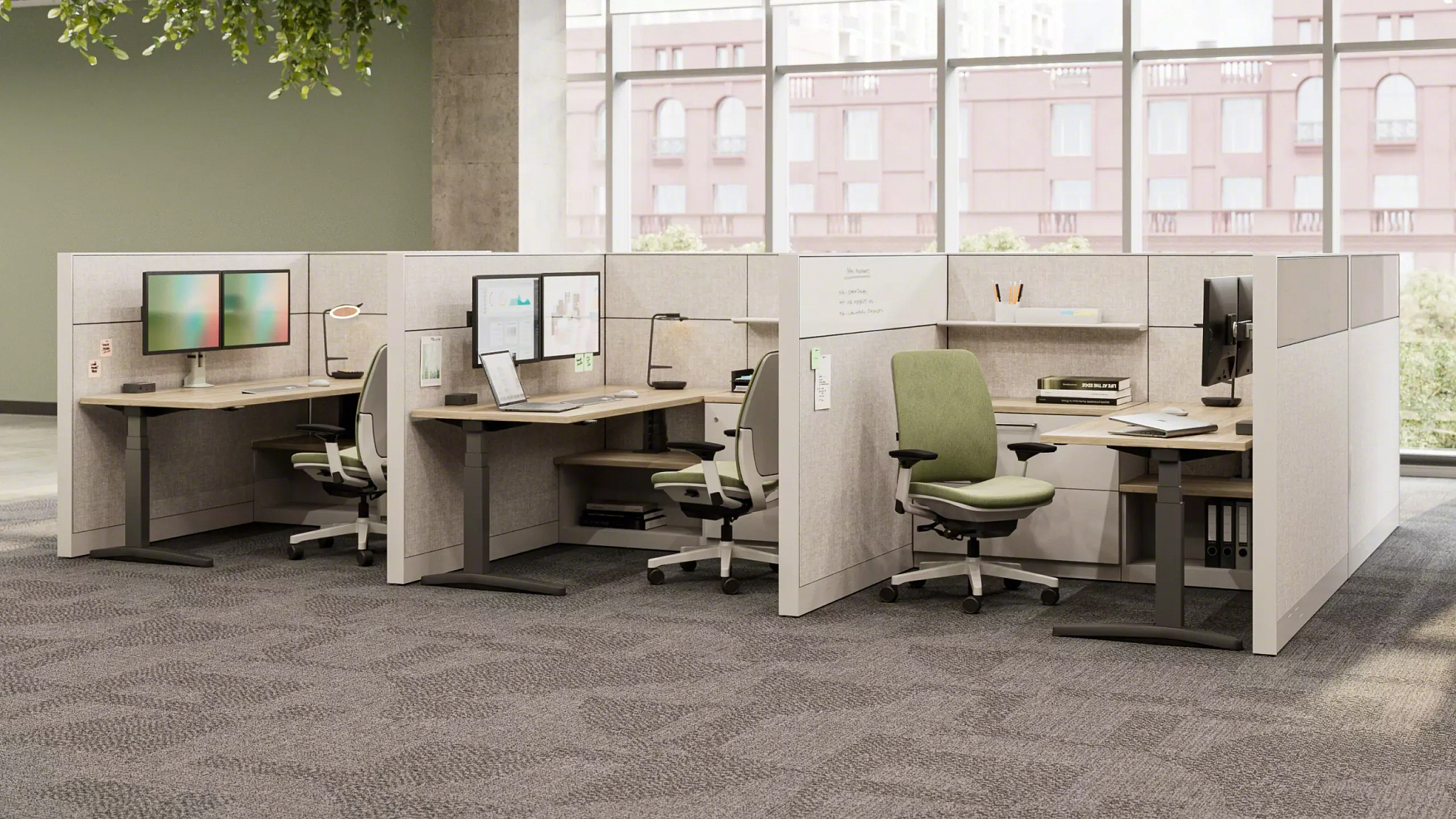
Comfort: The Foundation of Every Good Workspace
Temperature, air quality, and thermal comfort might not be the flashiest design elements, but they’re some of the most important. No one does their best work when they’re freezing, sweating, or breathing stale air.
Modern HVAC systems, smart thermostats, and proper ventilation help maintain a comfortable environment throughout the day. Pair that with ergonomic furniture, and you’ve got a space where people can settle in and stay focused.
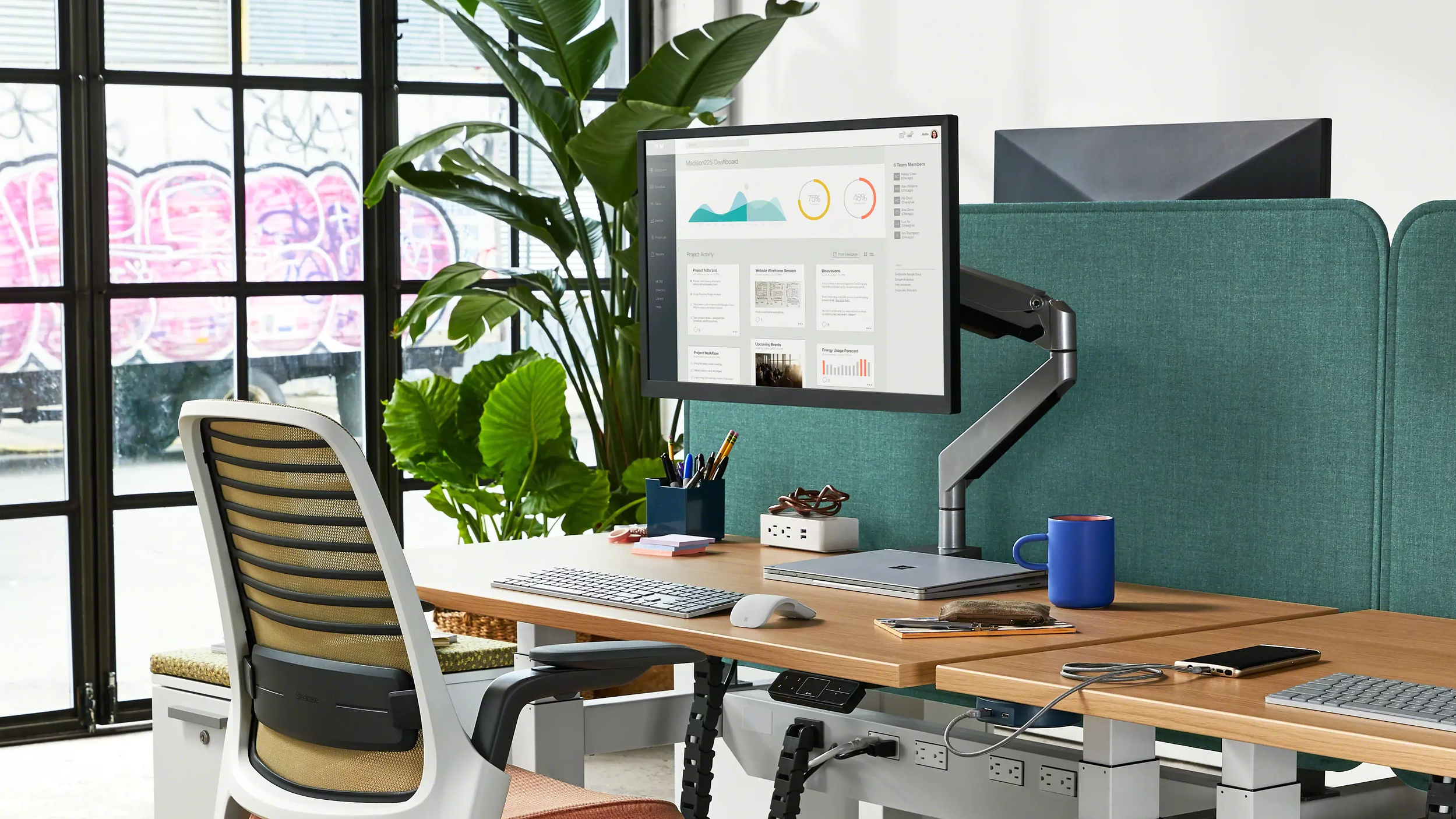
Technology That Supports the Way People Work
From wireless charging to smart whiteboards, technology is woven into nearly every part of today’s office. The goal isn’t to overwhelm the space with gadgets—it’s to make work easier. When tech is integrated seamlessly, it becomes part of the flow rather than a distraction.
Designing a Space That Works for You
Great office design isn’t about following trends—it’s about creating a space that supports your team’s needs, reflects your culture, and adapts as your business grows. Whether you’re adding plants, rethinking your layout, or investing in better acoustics, every improvement contributes to a more productive, more enjoyable workplace.
FAQ
Plants, lighting, and small décor updates are simple, affordable, and instantly effective.
Flexible seating, shared spaces, and tech‑ready meeting rooms support both in‑person and remote collaboration.
Good acoustics reduce distractions, improve focus, and make shared spaces more comfortable.
Eco‑friendly materials, energy‑efficient lighting, and improved air quality all contribute to a greener workspace.
Integrated tech—like wireless charging, smart displays, and video‑ready rooms—helps teams work more efficiently.