

Walk into any workplace in Iowa, and you can usually tell what the company values long before you meet the team. At Workspace Inc., we talk with customers all the time about how the layout, furniture, lighting, and overall feel of an office quietly shape the culture people experience every day. It’s amazing how quickly employees pick up on whether a space encourages collaboration, supports focus, or boosts morale. And when the design doesn’t match the company’s values, the disconnect becomes obvious fast.
The truth is simple: office design isn’t just about aesthetics. It’s about creating an environment where people feel supported, energized, and connected to the business’s mission. When the space reflects the company’s identity, employees feel more aligned with their work—and that alignment leads to better productivity, stronger engagement, and a happier workplace overall.
Key Takeaways
- Office design directly influences company culture and employee morale.
- Layout choices shape how employees interact, collaborate, and focus.
- Branding, color, and décor reinforce company values and identity.
- Flexible, comfortable spaces improve productivity and employee satisfaction.
- A well‑designed office helps employees feel connected to the company’s mission.
The Office as a Reflection of Company Values
Employees spend a large portion of their week in the office, so the space naturally reflects the company’s priorities. If a business claims to value teamwork but sticks everyone in isolated cubicles, the message gets muddled. On the other hand, an open layout with shared spaces signals that collaboration is encouraged.
Design choices—big and small—shape how people behave. A bright, welcoming lobby sets a tone of openness. Comfortable seating areas invite conversation. Flexible workstations show trust and autonomy. Even color choices influence mood and morale, with warm tones sparking energy and cooler tones promoting calm and focus.
When employees see the company’s values reflected in the environment, they feel more connected to the mission. When they don’t, frustration and disengagement creep in.
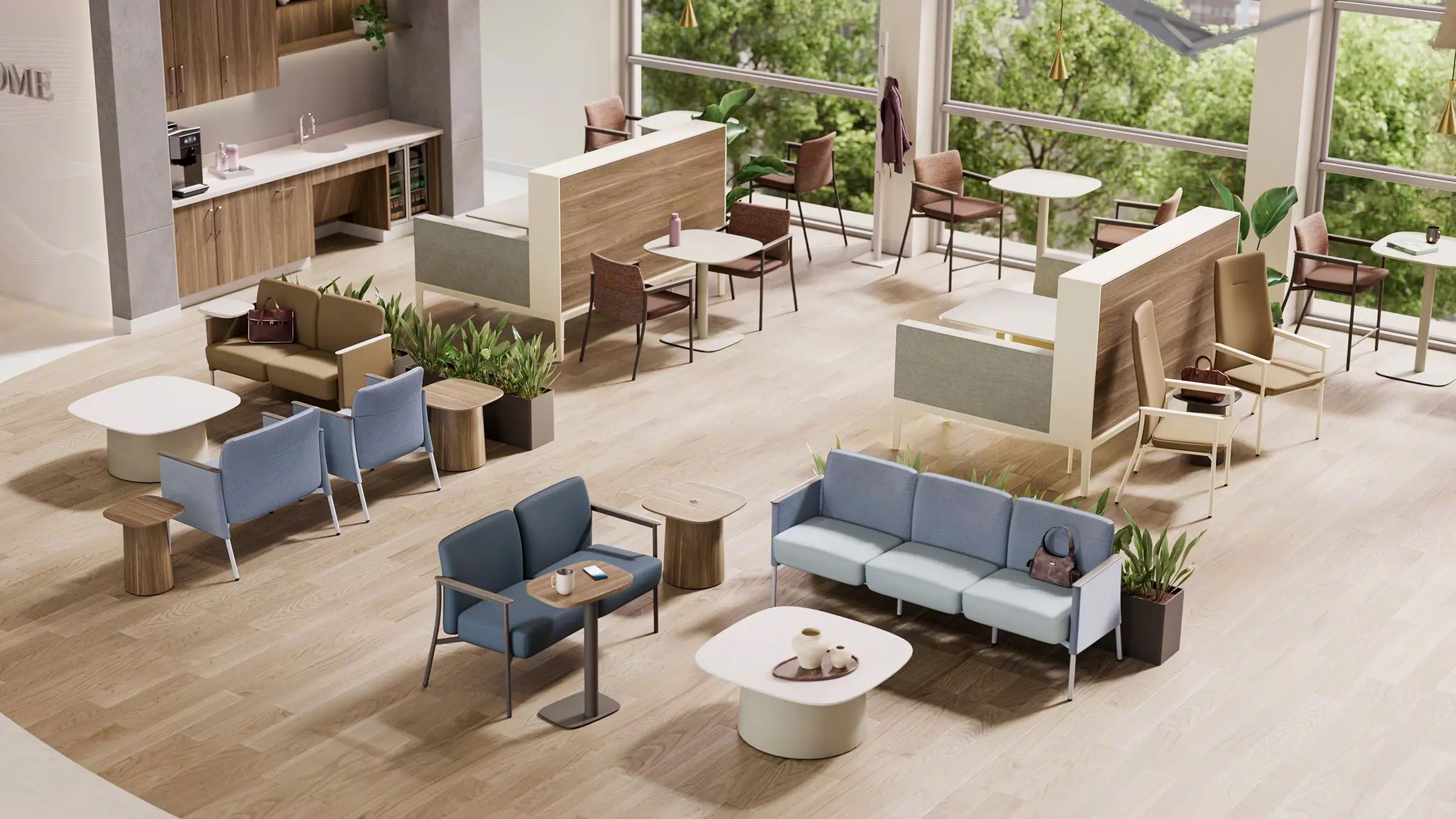
How Layout Influences Behavior and Culture
Different layouts support different types of work cultures. Some companies thrive on creativity, others on structure, and others on collaboration. The design should match the culture you want—not the culture you accidentally create.
A collaborative culture benefits from open spaces, shared tables, and lounges that encourage spontaneous conversations. Creative cultures often prefer flexible zones where employees can move between quiet focus areas and relaxed brainstorming spots. More traditional or hierarchical cultures may rely on private offices and structured layouts that reinforce roles and responsibilities.
There’s no “right” design—only the right design for your team. The key is making sure the environment supports the behaviors you want to see.
Building a Space That Boosts Morale and Productivity
A well‑designed office doesn’t just look good; it makes people feel good. And when people feel good, they work better.
Comfortable furniture, natural lighting, and thoughtful acoustics all contribute to a healthier work environment. Plants can improve air quality and add a sense of calm. Art can spark creativity and reinforce company identity. Technology—like shared screens or digital collaboration tools—helps teams stay connected and informed.
Even small upgrades can make a big difference. A cozy lounge area can become the heart of the office. Adjustable desks can reduce fatigue. Clear signage and branding can remind employees of the company’s mission and values. When employees feel supported by their environment, morale rises—and so does productivity.
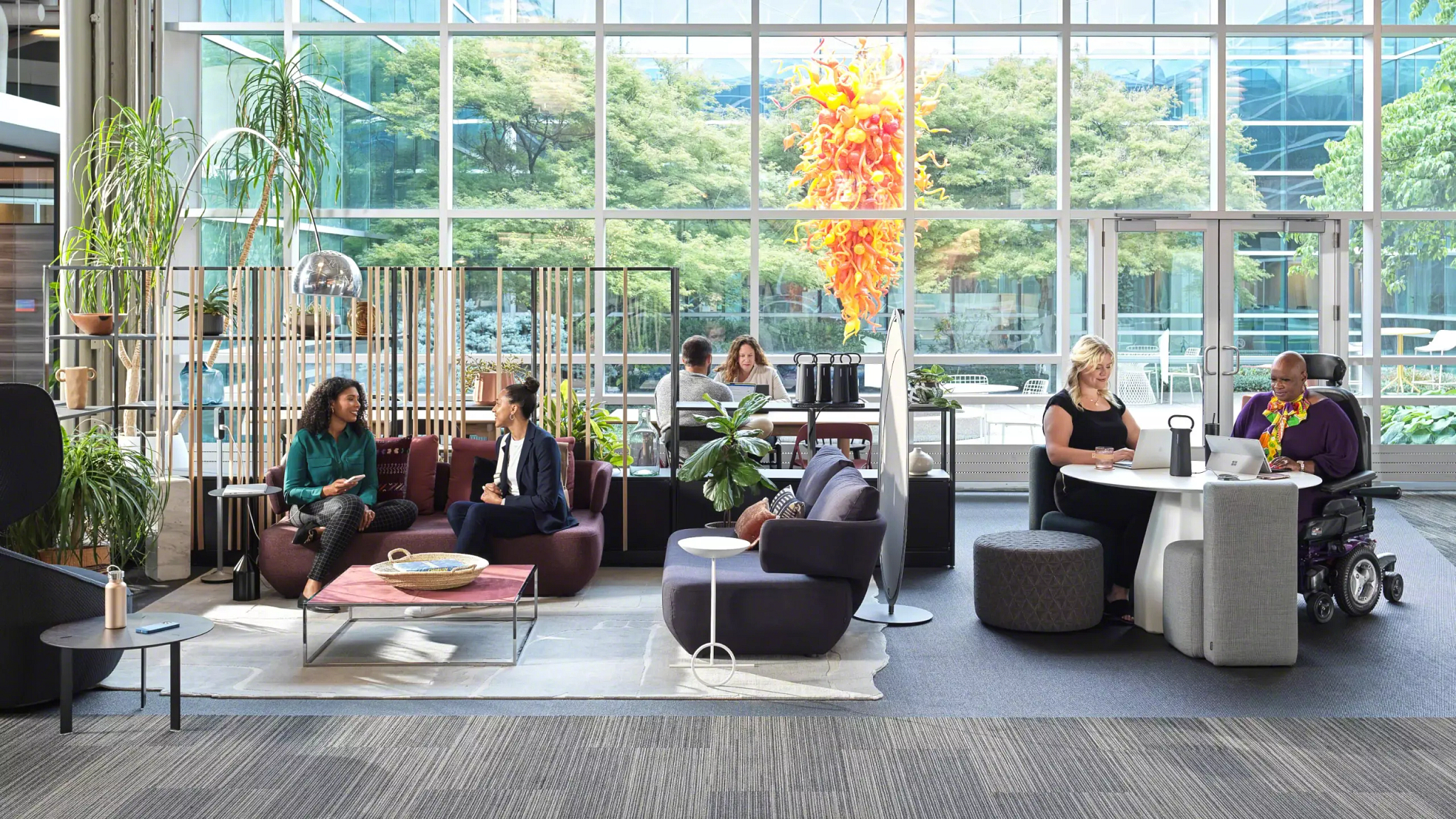
Using Design to Strengthen Company Culture
Office design is one of the most powerful tools a company has for shaping culture. Here are a few ways businesses can use design intentionally:
- Create social spaces that encourage connection. Lounges, break areas, and casual meeting zones help employees build relationships across departments.
- Offer flexible workstations so employees can choose how they work best—standing, sitting, collaborating, or focusing.
- Use branding thoughtfully to reinforce identity. Colors, logos, and artwork can remind employees what the company stands for.
- Support wellness with natural light, ergonomic furniture, and calming elements like plants or soft textures.
- Match structure to values by choosing layouts that reflect the level of hierarchy or openness the company wants to promote.
When design aligns with culture, employees feel more engaged, more motivated, and more connected to the company’s mission.
Designing a Culture People Want to Be Part Of
A strong company culture doesn’t happen by accident. It’s built through intentional choices—how leaders communicate, how teams collaborate, and yes, how the office is designed. At Workspace Inc., we see every day how the right environment can transform a workplace, boost morale, and help employees feel proud of where they work.
Thoughtful office design creates a space where people feel valued, supported, and inspired. And when employees feel that way, they bring their best selves to work—making the entire organization stronger.
FAQ
Design affects how employees feel, interact, and work, shaping the organization’s overall culture.
Natural light, comfortable furniture, flexible workstations, and social spaces all help boost morale.
Absolutely—spaces that support focus, collaboration, or creativity help employees work more efficiently.
Colors, artwork, and décor can reinforce company values and help employees feel connected to the mission.
Start small: add plants, update seating, improve lighting, or create a welcoming social area.