

Walk into any modern workplace today, and you’ll notice something right away: companies are paying far more attention to how their environments shape the way people work. At Workspace Inc. here in Iowa, helping businesses create offices that feel comfortable, intentional, and productivity‑focused is part of everyday conversations with clients. And one of the most surprisingly powerful elements in that process? Color. The shades surrounding employees—on the walls, in shared spaces, even in small accents—quietly influence mood, focus, creativity, and overall performance. It’s why so many organizations are taking a closer look at office color ideas and how thoughtful color choices can support the way teams think and collaborate.
Color psychology isn’t just a design trend—it’s a science-backed approach to creating workspaces that support people. Certain colors can energize, calm, inspire, or even reduce stress. When you think about how much time employees spend in the office, it makes sense that the right palette can make a noticeable difference in how they perform and feel throughout the day.
Key Takeaways
- Color influences mood and productivity more than most people realize.
- Blue and green support focus and calm, making them ideal for high‑concentration areas.
- Yellow boosts creativity when used in moderation.
- Red energizes but should be used sparingly to avoid overstimulation.
- Balanced palettes combining neutrals and accents create cohesive, productive environments.
How Color Shapes Mood and Performance
Color affects the brain in ways most people don’t consciously notice. Some shades increase heart rate and alertness, while others promote calm and clarity. When these effects are applied thoughtfully, they can help teams stay focused, feel more comfortable, and even collaborate more effectively.
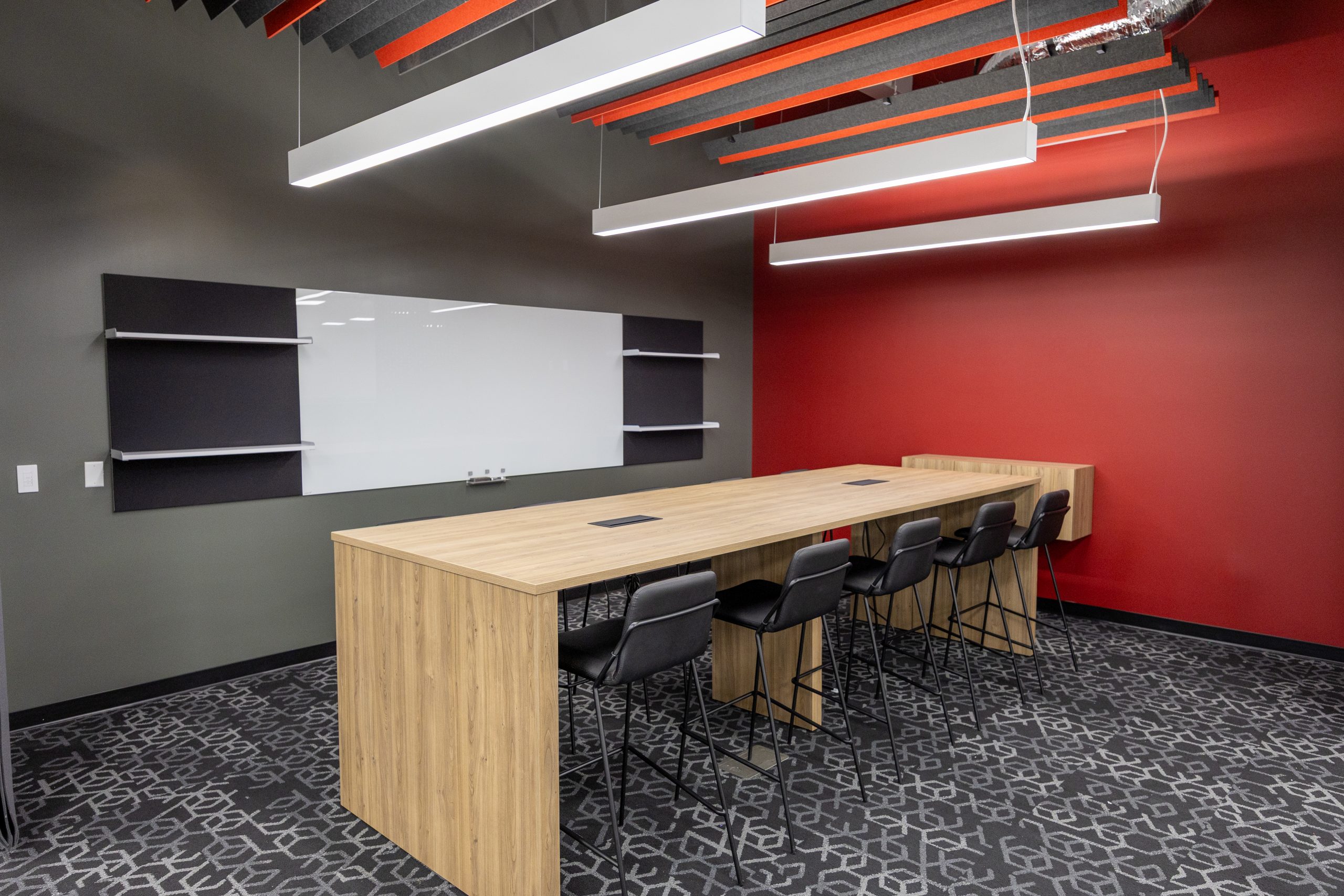
Take red, for example. It’s bold, attention‑grabbing, and full of energy. Designers often use it sparingly in high‑activity areas where quick decisions or physical tasks happen. Too much red, though, can feel overwhelming. That’s why accent walls or décor pieces are usually the better choice.
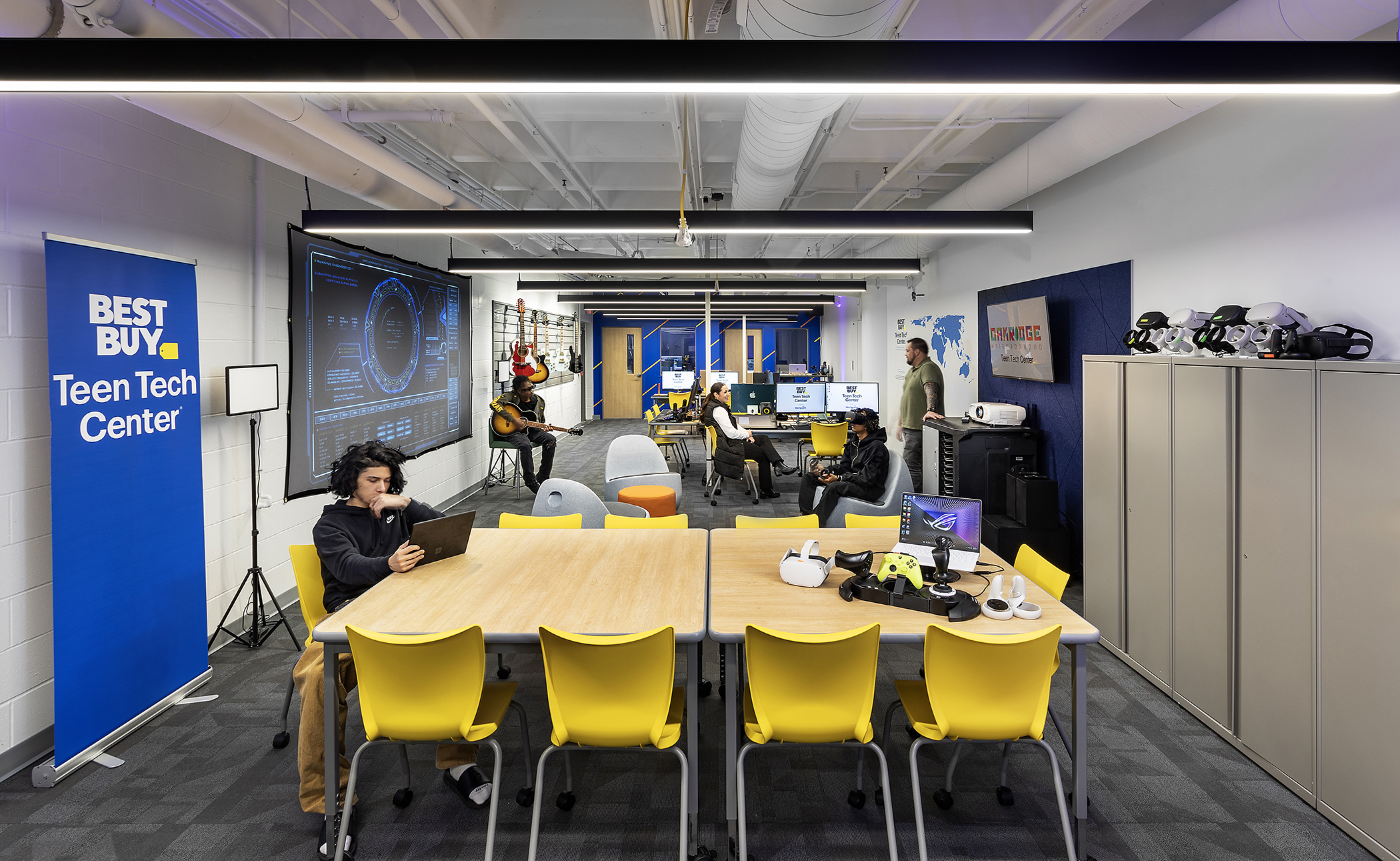
Yellow, on the other hand, is known for sparking creativity and optimism. It’s warm, bright, and uplifting—perfect for brainstorming rooms or innovation hubs. But like red, it’s best balanced with neutrals to avoid overstimulation.

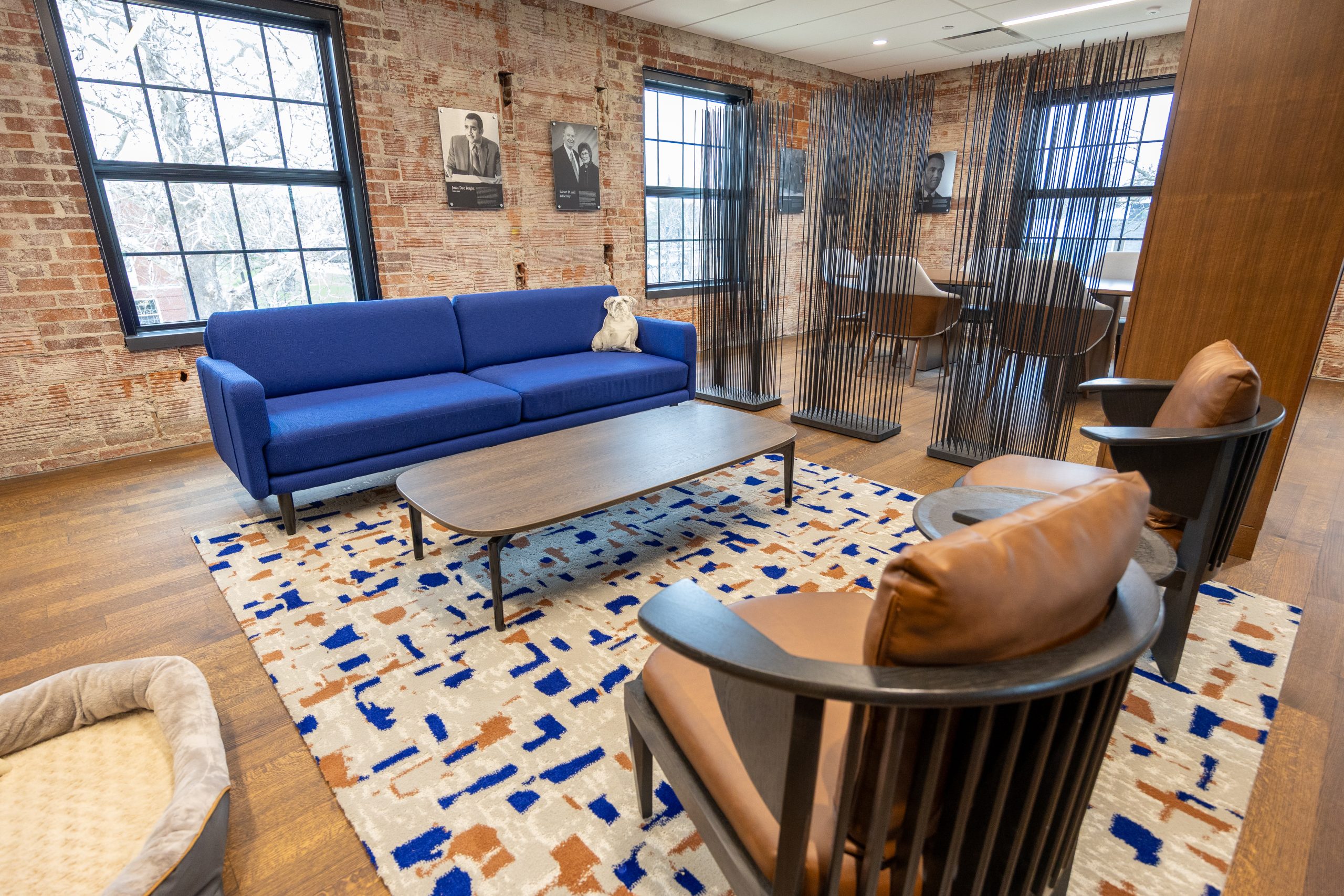
Blue is one of the most popular choices for workplaces because of its calming and stabilizing qualities. It supports focus, clear communication, and stress reduction. Lighter blues create a peaceful atmosphere, while deeper blues add professionalism and authority. If you’re looking for the best color for office walls in areas where concentration matters, blue is often the top pick.
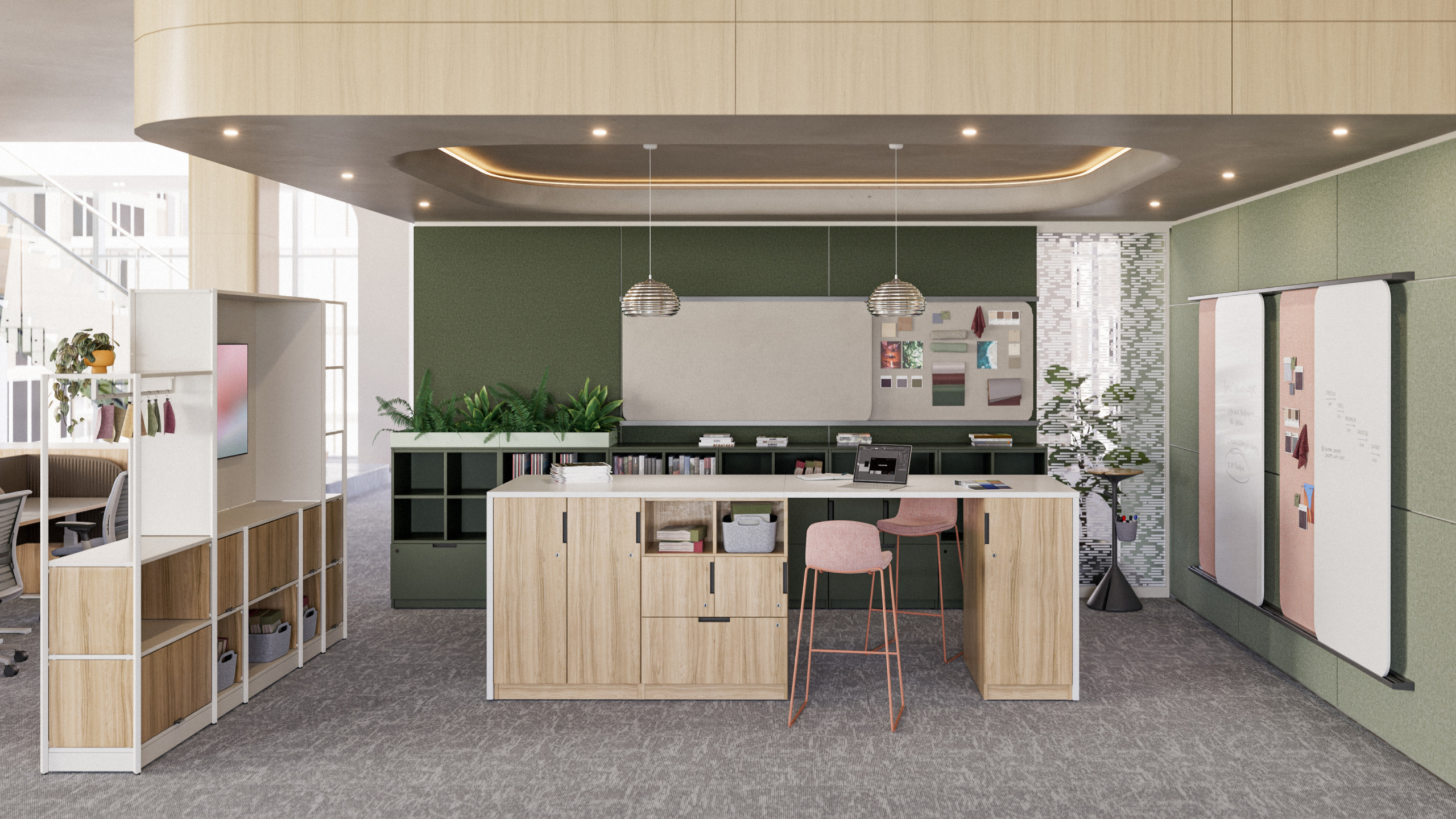
Green brings a sense of nature and balance. It’s soothing, reduces fatigue, and helps alleviate eye strain—ideal for spaces where employees spend long hours at their desks. Many offices pair green with natural elements like plants or wood textures to create a grounded, refreshing environment.

Neutrals like white and gray also play important roles. White can make a space feel open and clean, but too much can feel sterile. Gray adds sophistication but needs brighter accents to avoid feeling dull. When used together with strategic pops of color, neutrals help create harmony throughout the office.
Matching Colors to Workspace Needs
The most effective color strategy isn’t about choosing one shade for the entire office—it’s about matching colors to the function of each area. A collaborative space might benefit from energizing tones like yellow or orange, while private offices or meeting rooms may lean toward calming blues or greens. Break rooms often use warm, inviting colors to help employees decompress.
For example, pairing blue and yellow in a meeting room can encourage both focus and creativity. Adding green to open work areas can help reduce stress and support long stretches of screen time. Even small touches—like artwork, furniture, or accent pieces—can shift the mood of a space without requiring a full renovation.
Workspace Inc. often helps businesses explore these combinations, ensuring each room supports the type of work happening inside it. When color is used intentionally, the entire office feels more cohesive, comfortable, and productive.
Creating a Balanced, Productive Environment
Color psychology shows that the shades surrounding employees have a real impact on how they think and feel. By choosing colors that align with workplace goals—whether that’s boosting creativity, improving focus, or reducing stress—businesses can create environments that help teams thrive.
It’s not just about aesthetics. It’s about designing spaces that support well‑being, encourage collaboration, and make everyday tasks feel a little easier. When employees feel good in their environment, productivity naturally follows.
Designing With Purpose
Color isn’t just decoration—it’s a tool. When used thoughtfully, it can elevate mood, sharpen focus, and create a workplace that feels both inspiring and supportive. Whether you’re refreshing a single room or reimagining your entire office, choosing the right palette can make a meaningful difference in how your team works and feels every day.
FAQ
Blue is often the top choice because it promotes focus, calm, and clear communication.
Yes—studies show that certain colors can reduce stress, spark creativity, or improve concentration.
Match colors to the function of each space: calming tones for focus areas, energizing tones for collaborative zones.
Absolutely—neutrals create balance and allow accent colors to shine without overwhelming the space.
Yes, even small updates like artwork, décor, or accent pieces can shift the mood of a workspace.