

A modern workplace doesn’t just happen by accident—it’s intentionally shaped, planned, and fine‑tuned. At Workspace Inc., teams see every day how the right office floor plan can completely change the way people feel and function at work. When a space is arranged thoughtfully, productivity rises, stress drops, and employees actually enjoy being in the office. And honestly, isn’t that the goal?
Today’s workplaces look nothing like the rigid cubicle farms of the past. Businesses want flexibility, comfort, collaboration, and a layout that supports different work styles. That’s where modern office space plans come in—strategies that blend design, psychology, and practicality to create an environment that works for everyone.
Key Takeaways
- Modern office layouts boost productivity, comfort, and employee satisfaction.
- Activity‑based planning gives employees freedom to choose the right workspace for each task.
- Flexible seating supports hybrid work and reduces wasted space.
- Collaborative hubs encourage creativity and teamwork.
- Biophilic design improves mood, focus, and overall well‑being.
Why Modern Office Floor Plans Matter
A well‑designed office floor layout isn’t just about where desks go. It’s about shaping behavior. Want more collaboration? Create open zones. Need deeper focus? Build quiet nooks. Trying to boost morale? Add natural light, greenery, and comfortable seating.
When a workplace feels good, people work better. It’s that simple.
Strategy #1: Activity‑Based Work Zones
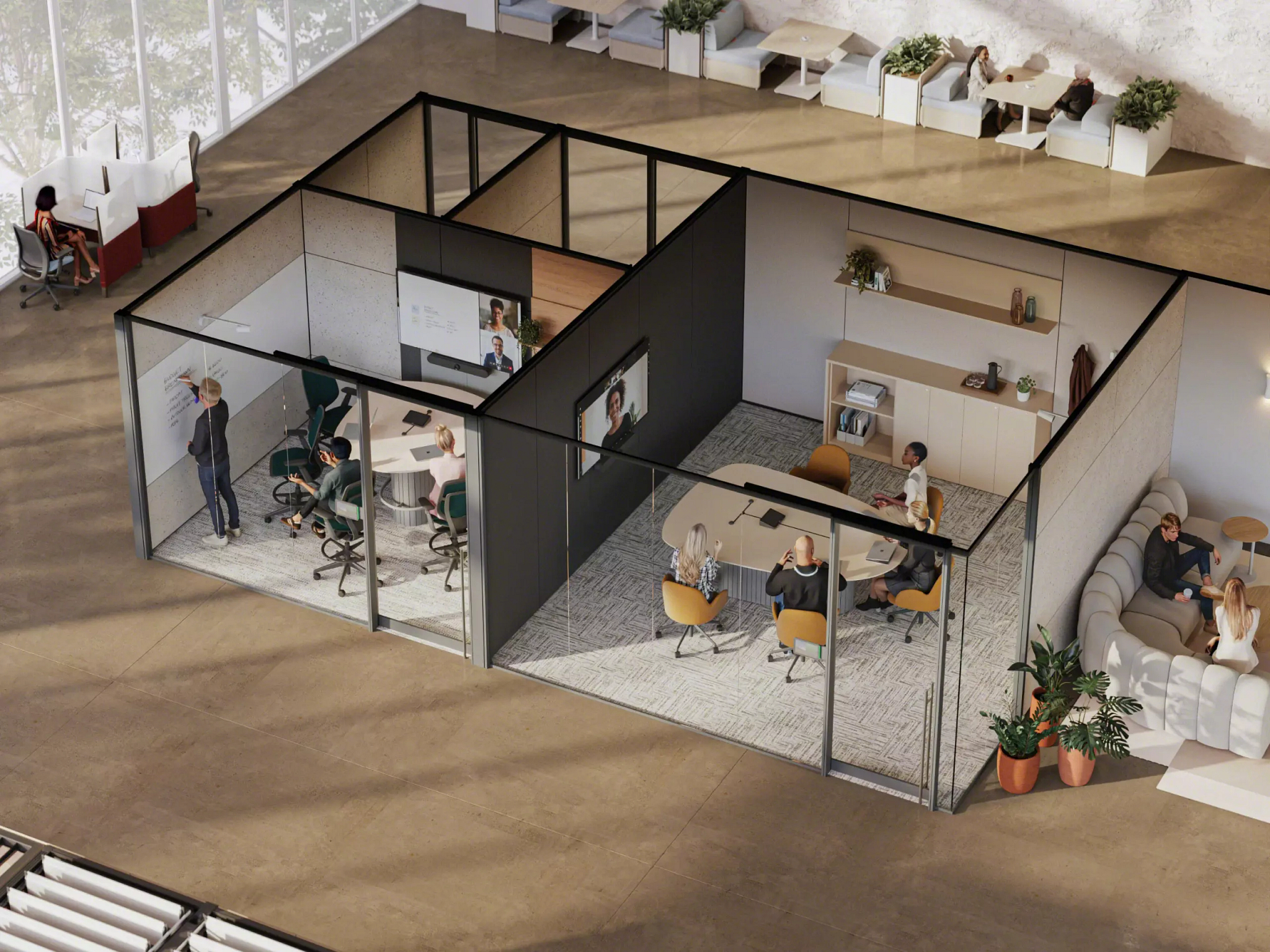
Activity‑based planning is one of the most popular modern approaches. Instead of assigning everyone a single desk, the space is divided into zones based on the type of work being done.
Common zones include:
- Collaboration areas
- Quiet focus rooms
- Brainstorming lounges
- Phone booths
- Social spaces
This strategy gives employees the freedom to choose the environment that fits their task. It also reduces noise complaints—because let’s be honest, not every conversation needs to happen next to someone trying to meet a deadline.
Strategy #2: Flexible Seating & Hot Desking
Hybrid work changed everything. With people coming and going throughout the week, many companies no longer need a permanent desk for every employee. That’s where flexible seating comes in.
Hot desking allows employees to pick any available workstation. It keeps the office feeling fresh, encourages movement, and reduces unused space. Pair this with a smart office space plan, and you get a layout that adapts as quickly as your team does.
Strategy #3: Maximizing Natural Light
Natural light is one of the most underrated productivity boosters. Studies consistently show that employees working near windows experience better mood, sharper focus, and higher energy levels.
Modern floor plans often:
- Place workstations near windows
- Use glass walls to spread light
- Keep tall furniture away from natural light sources
It’s a small design choice with a big impact.

Strategy #4: Collaborative Hubs
Collaboration is the heartbeat of many modern companies. Instead of relying on formal conference rooms, businesses are creating casual hubs where teams can gather quickly and comfortably.
Examples include:
- Soft‑seating lounges
- Standing meeting tables
- Writable walls
- Café‑style booths
These spaces encourage spontaneous conversations—the kind that often spark the best ideas.
Strategy #5: Quiet & Focused Work Areas
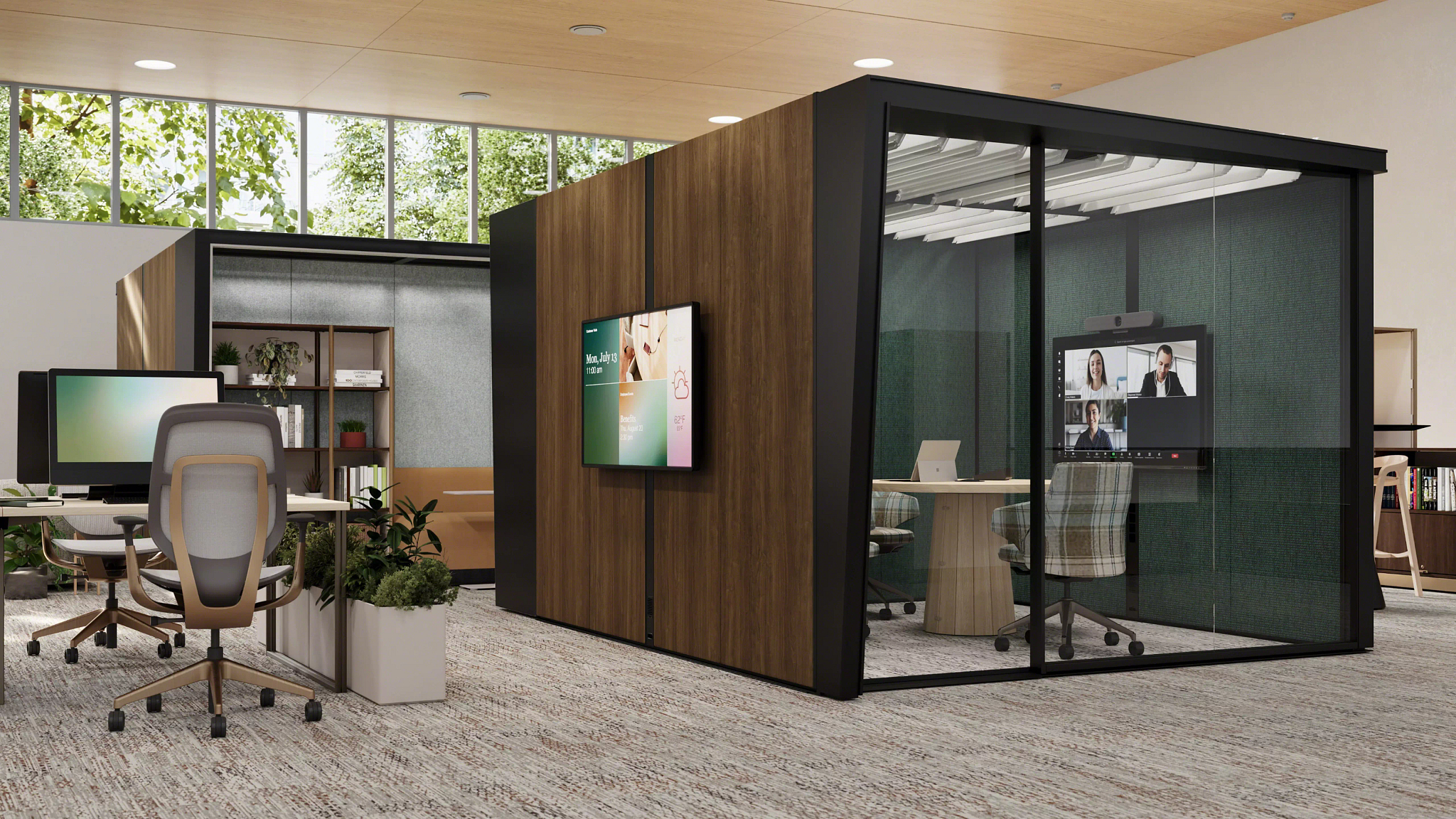
Even the most collaborative teams need quiet time. That’s why modern layouts balance open areas with private ones.
Popular options include:
- Enclosed focus rooms
- Acoustic pods
- Sound‑absorbing partitions
- Library‑style quiet zones
This balance keeps the office from feeling chaotic and gives employees a place to breathe.
Strategy #6: Biophilic Design
Biophilic design brings nature indoors. It’s more than just adding plants—it’s about creating a calming, restorative environment.
Elements include:
- Living walls
- Natural materials like wood and stone
- Earth‑tone color palettes
- Organic shapes and textures
Employees feel more grounded, less stressed, and more connected to their environment.
Real‑World Examples of Modern Office Floor Plans
1. The Open‑Plus Layout
A blend of open seating and private rooms.
Great for: Teams that collaborate often but still need quiet spaces.
2. The Neighborhood Layout
Employees are grouped by department or project.
Great for: Companies that want structure without rigid cubicles.
3. The Hybrid Hub Layout
Central collaboration zones surrounded by focus rooms.
Great for: Hybrid teams that need flexibility.
4. The Minimalist Layout
Clean lines, simple furniture, and uncluttered spaces.
Great for: Creative teams that thrive in calm, distraction‑free environments.
5. The Wellness‑Focused Layout
Includes meditation rooms, ergonomic seating, and natural elements.
Great for: Companies prioritizing mental health and employee well‑being.
Designing a Space That Works for Everyone
A thoughtful office floor plan isn’t just a design choice—it’s a business strategy. When employees feel supported by their environment, everything improves: productivity, creativity, morale, and even retention.
Whether you’re redesigning a small office or planning a full renovation, the right layout can transform the way your team works. And at Workspace Inc., the team helps businesses create spaces that feel good and function even better.