

There’s a version of every small office that just clicks. You walk in and the space makes sense. Nothing feels cramped or wasted, and the whole setup actually supports the way people work. Getting to that point takes more thought than most people expect, but it’s completely achievable no matter how compact your footprint is.
At Workspace Inc., we’ve helped businesses across Iowa create offices that perform well above their square footage. Small doesn’t have to mean uninspiring, and limited space doesn’t have to mean limited function.
Figure Out How Your Team Actually Works
This is always step one. Before picking out a single chair or sketching a layout, take an honest look at how your workday actually flows. Are people mostly at their desks, or are they constantly moving between areas? Do clients come in on a regular basis? Is quiet, focused work the priority, or does your team rely on being physically close to collaborate?
These aren’t small questions. The answers will completely shape what your office needs to look like. A space built for a team that’s always working together looks very different from one designed to support solo, heads-down work. Getting this clarity upfront saves a lot of headaches and unnecessary spending later.
The Layout Matters More Than the Size
Here’s something a lot of people get wrong. They fall in love with furniture first, order it, and then scramble to make everything fit once it arrives. In a small office, that approach leads to frustration pretty quickly.
Layout should come before purchasing. Consider where people will enter the room, how they’ll move through it during the day, and which spots will see the most foot traffic. Keeping those pathways clear makes a room feel significantly more open, even when square footage is limited. Positioning desks near natural light reduces eye strain without any extra equipment. Placing shared tools like printers away from the main work areas also cuts down on constant interruptions throughout the day.
Vertical space is another resource that often goes ignored. Wall-mounted shelving and storage that reaches toward the ceiling can free up a surprising amount of floor space while keeping everything easy to access.
Choosing Furniture That Earns Its Spot
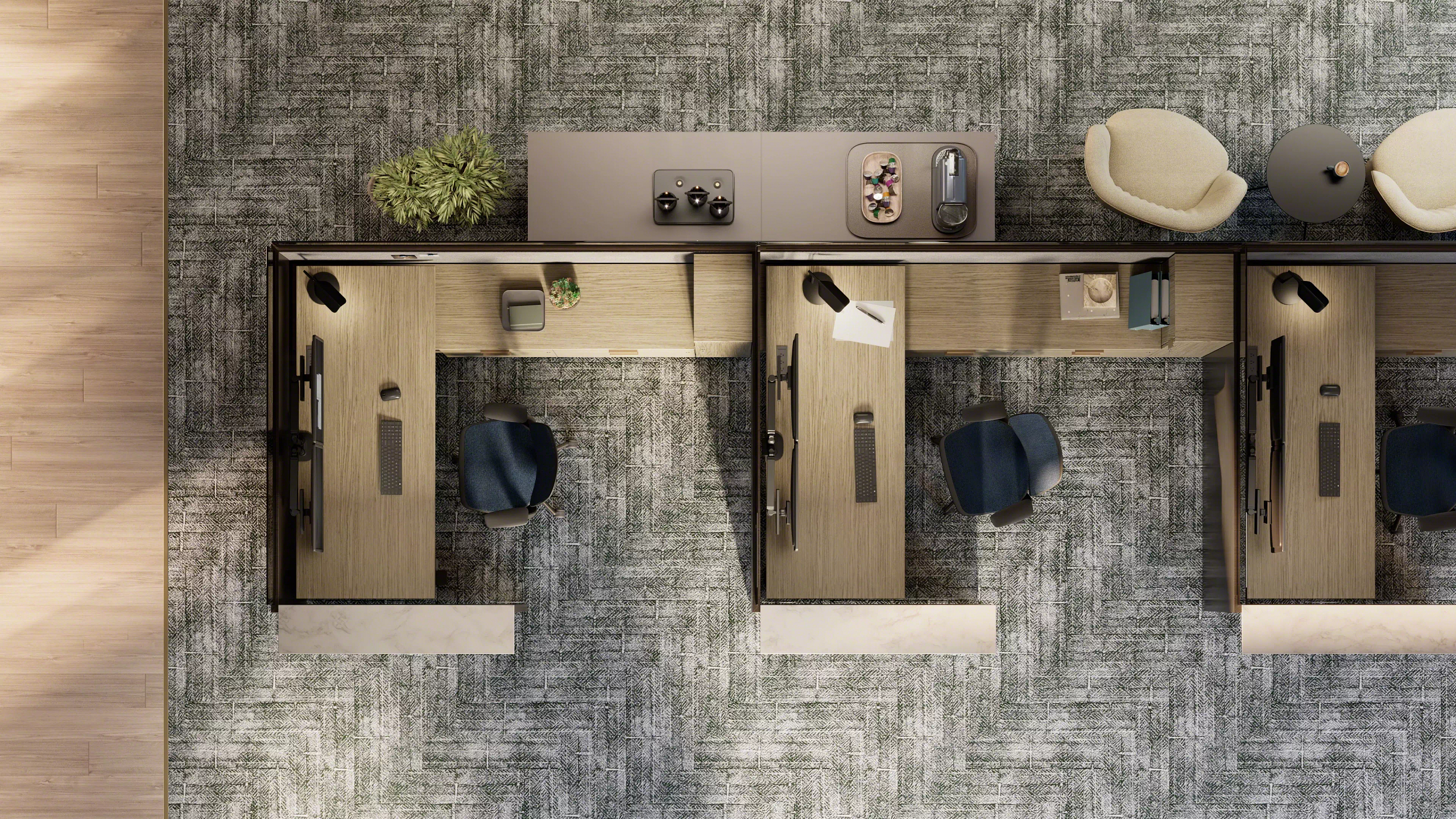
Every piece in a small office needs to justify being there. That means looking for items that serve more than one purpose, fit the scale of the room, and can adapt as the business evolves.
The Steelcase Node Chair is a strong example of this kind of thinking. Originally designed for flexible learning environments, it works naturally in compact office settings because it handles multiple roles without taking up extra room. It rolls easily, supports both independent work and group conversation, and has storage built right beneath the seat. In a tighter space, that kind of adaptability matters.
Furniture selection isn’t purely practical, either. The pieces you choose communicate something about who you are as a company. Style, material, and finish all send quiet signals to anyone who walks through the door, and those details add up faster than most people realize.
It’s Not Only About Traditional Office Buildings
Understanding How to Design a Small Office Space goes well beyond the standard commercial setting. More businesses than ever are operating out of converted rooms, shared suites, or home environments, and the same core principles apply across all of them.
For anyone working from home, Small Home Office Ideas tend to start with one central challenge: creating a space that genuinely feels separate from daily home life, even when the two exist under the same roof. Dedicated zones, properly scaled furniture, good lighting, and smart storage all come together to create that mental shift. You don’t need a large room to build something that feels professional and functional.
Small Spaces Still Represent Your Brand
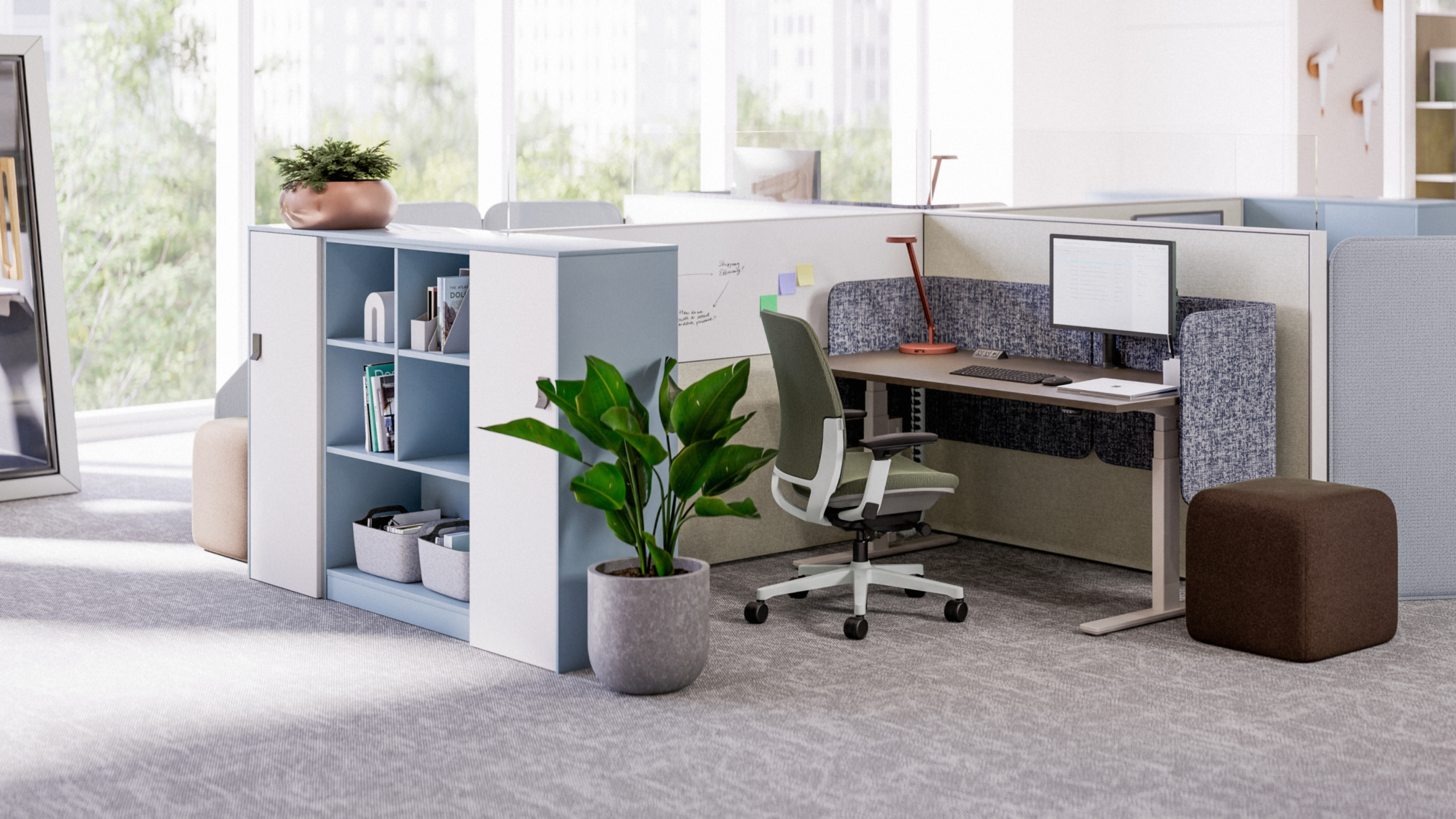
This one surprises some clients. Even a compact, single-room office is a real branding opportunity. The colors on the walls, the style of the furniture, the overall feel of the environment, all of it quietly shapes how clients perceive your business and how your team feels walking in each morning.
At Workspace Inc., this comes up in nearly every project. A thoughtfully designed small office doesn’t just solve a logistical problem. It reflects what a company stands for, and that impression carries more weight than most business owners consider when they’re first starting the planning process.
Ready to Make Your Space Work Better?
If you’re tired of a layout that barely gets the job done and want something your team actually enjoys being in, Workspace Inc. is ready to help. We partner with businesses throughout Iowa to create spaces that are purposeful, comfortable, and genuinely built around the people using them every day. Reach out to our team to start the conversation.
Frequently Asked Questions
What’s the first step in designing a small office?
Start by looking at how your team actually works, before picking any furniture or sketching a layout. Whether people are mostly at their desks or constantly moving, whether clients visit regularly, and whether the priority is quiet focus or close collaboration will completely shape what the office needs to look like.
Should furniture be purchased before or after planning the layout?
Layout should come before purchasing. Buying furniture first and then trying to make it fit often leads to frustration in a small office. It’s better to consider entry points, foot traffic, and natural light first, then choose furniture that fits that plan.
How can a small office be made to feel more open?
Keeping walking pathways clear makes a room feel more open even with limited square footage. Positioning desks near natural light reduces eye strain, placing shared tools like printers away from main work areas cuts down on interruptions, and using vertical space like wall-mounted shelving frees up floor space.
What makes a chair like the Steelcase Node Chair a good fit for small offices?
The Steelcase Node Chair handles multiple roles without taking up extra room. It rolls easily, supports both independent work and group conversation, and includes storage built beneath the seat, which matters in a tighter space where every piece needs to earn its spot.
Does a small home office need to look different from the rest of the home?
Yes. The main challenge with a home office is creating a space that genuinely feels separate from daily home life, even under the same roof. Dedicated zones, properly scaled furniture, good lighting, and smart storage all help create that mental separation.