

Creating a workspace that actually works for you isn’t just about picking stylish pieces—it’s about arranging them in a way that supports productivity, comfort, and a sense of calm. At Workspace, customers often ask how to make the most of their layout, especially when they’re juggling limited square footage or trying to refresh a room that’s gotten a little cluttered over time. A thoughtful office furniture setup can completely transform the way a space feels and functions, and it doesn’t require a full renovation to get there.
Whether you’re outfitting a corporate office or rethinking your home workspace, the right approach can make everything feel more intentional. And honestly, who doesn’t want a cleaner, more efficient environment that makes the day run smoother?
Explore our Workplace Projects
Our Products
Key Takeaways
- A thoughtful layout improves productivity, comfort, and overall flow.
- Desk placement should support visibility, natural light, and ergonomics.
- Storage solutions help shelve clutter and keep the workspace functional.
- Creating zones can make the office feel more organized and intentional.
- Regularly reevaluating your layout ensures the space continues to meet your needs.
Start With the Flow of the Room
Before moving a single chair or cabinet, take a moment to look at how the room naturally flows. Where do you walk most often? What areas feel cramped? Which corners are underused? Understanding the traffic pattern helps guide how to arrange office furniture so the space feels open rather than boxed in.
Try to keep major walkways clear. If you’re constantly squeezing past a desk or sidestepping a storage unit, it’s a sign that something needs shifting. A workspace should feel effortless to move through, not like an obstacle course.
Place Your Desk With Purpose
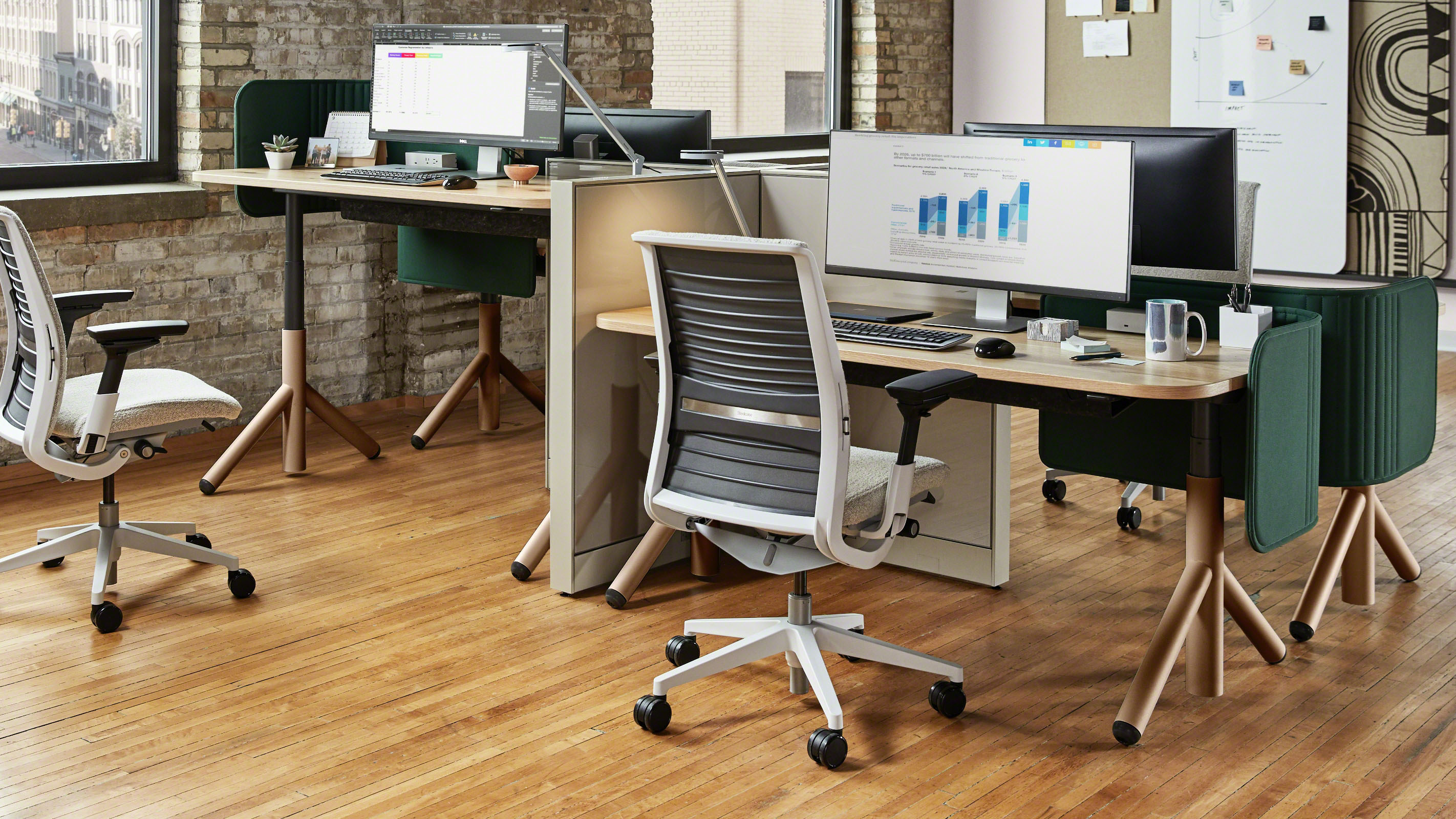
The desk is the anchor of any office, so its placement matters. Many people instinctively push it against a wall, but that’s not always the most effective choice. If possible, position the desk so you can see the door without being directly in line with it. This creates a sense of control and reduces distractions.
For those working from home, home office furniture placement can be even more flexible. A desk near a window can boost mood and reduce eye strain, while a corner setup can help separate work from the rest of the home. Just make sure natural light isn’t causing glare on your screen—nobody wants to squint through emails all day.
Think About Ergonomics (Your Body Will Thank You)

A beautiful office means nothing if it’s uncomfortable. Ergonomics should guide every major decision. Your chair should support your back, your monitor should sit at eye level, and your keyboard should allow your arms to rest naturally.
If you’re using a height‑adjustable desk, make sure it’s positioned where you can easily switch between sitting and standing without bumping into other furniture. Good ergonomics isn’t just about comfort—they help prevent long‑term strain and fatigue.
Use Storage to Reduce Visual Clutter
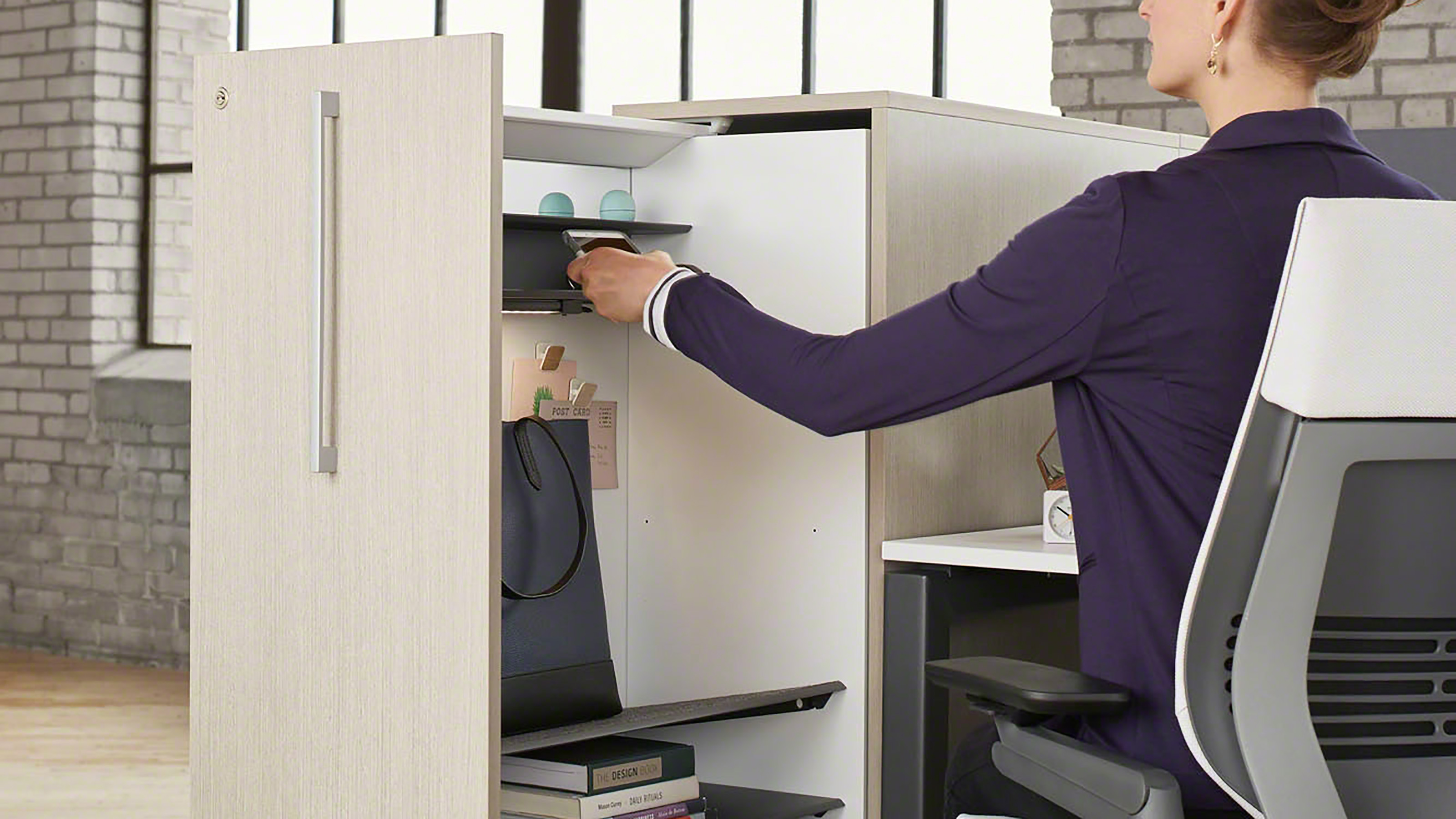
Clutter is the silent productivity killer. Even the most stylish office can feel chaotic if papers, cables, and supplies are scattered everywhere. That’s where smart storage comes in.
Pedestal drawers, bookcases, cabinets, and shelving all help keep things tidy. When planning your office furniture setup, think about what you reach for most often. Those items should be within arm’s reach. Everything else can be stored a little farther away.
Cable management is another game‑changer. A few simple tools can hide cords and keep your desk looking clean, which instantly makes the whole room feel more organized.
Create Zones for Different Tasks
Not every task requires the same environment. If space allows, try creating small “zones” within the room. For example:
- A primary workstation for computer work
- A secondary surface for writing or reviewing documents
- A lounge area for brainstorming or taking calls
- A storage zone for supplies and equipment
This kind of office furniture planning helps break up the day and keeps you from feeling stuck in one spot. Even in a smaller office, subtle zoning—like placing a chair in a corner or adding a small side table—can make a big difference.
Don’t Forget Personality
A workspace should feel like your space. A few pieces of décor, a plant or two, or a framed photo can make the room feel more inviting. Just avoid going overboard—too many decorative items can quickly turn into clutter.
Lighting also plays a huge role. A mix of overhead, task, and softer accent lighting creates a balanced atmosphere that’s both functional and comfortable.
Reevaluate Every Few Months
Your needs change, and your office should evolve with them. Maybe you’ve added new equipment, shifted responsibilities, or simply realized the layout isn’t working as well as it used to. Rearranging furniture regularly keeps the space fresh and ensures it continues to support your workflow.
Sometimes even small adjustments—like rotating the desk or moving a cabinet—can make the room feel brand new.
Explore our Workplace Projects
Our Products
FAQ
How do I know where to place my desk?
Choose a spot where you can see the door, avoid glare, and maintain a comfortable workflow.
What’s the best way to reduce clutter?
Use storage solutions like cabinets, shelving, and cable management tools to keep surfaces clean.
How often should I rearrange my office?
Every few months is a good rule of thumb, especially if your work habits or equipment change.
Does natural light matter in an office layout?
Absolutely. Natural light boosts mood and reduces eye strain, but make sure it doesn’t create screen glare.
What’s the most important part of office furniture planning?
Balancing comfort, function, and flow so the space supports your daily tasks without feeling cramped.