
Measure, plan for function, invest in the chair, budget by priority, and stay flexible: six steps to furniture you won’t regret.
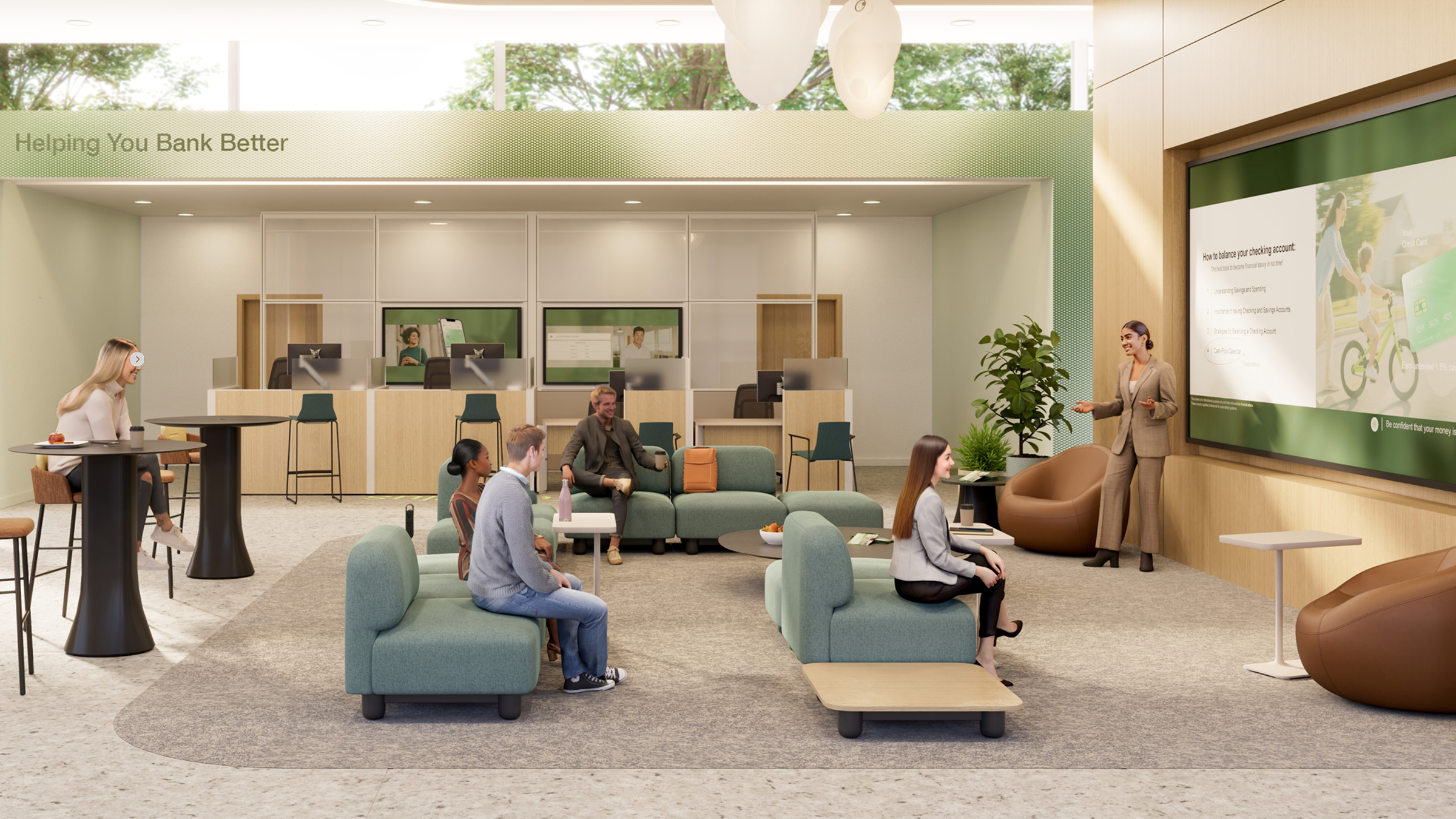

At Workspace Inc., we work with office and home-office customers of various sizes. A shared characteristic of our clients is that they buy office furniture last and later regret their decision. Office furniture planning is an important step when designing an office. Benefits of office planning for commercial and home offices include avoiding mistakes. When you’re in the market for office furniture near me, here are some tips to help you find the best furniture for a home office or a traditional office setting.
Key Takeaways
Six steps, in order. Tap any card to jump to it.
2Function over looksDefine who uses the space and what they need first, then choose furniture that fits and looks good.
3Don’t skimp on the chairErgonomic environments are tied to 15% higher productivity and 67% fewer musculoskeletal absences.
4Budget by priorityPut 40 to 50 percent into primary furniture like chairs and tables, then storage and reception, then aesthetics.
5Stay flexibleGoals and staffing change, and replacing inflexible furniture is expensive.
6Get expert helpWorkspace Inc. offers consulting and installation for commercial and residential customers.
Measure Before You Browse Anything
This is a basic accessibility requirement, and unfortunately many fail to meet it. Building dimensions alone are not enough. Other factors to consider include door and window locations and uses, electrical and data jacks, and circulation paths to and from desks and other furnishings. Architectural building features may prevent some types of furnishings from being added. Leave 36 or more inches of clear space between desks and other furnishings or walls for circulation. Blocked circulation to desks and other furnishings affects use over time as well as design.
Measure more than the building
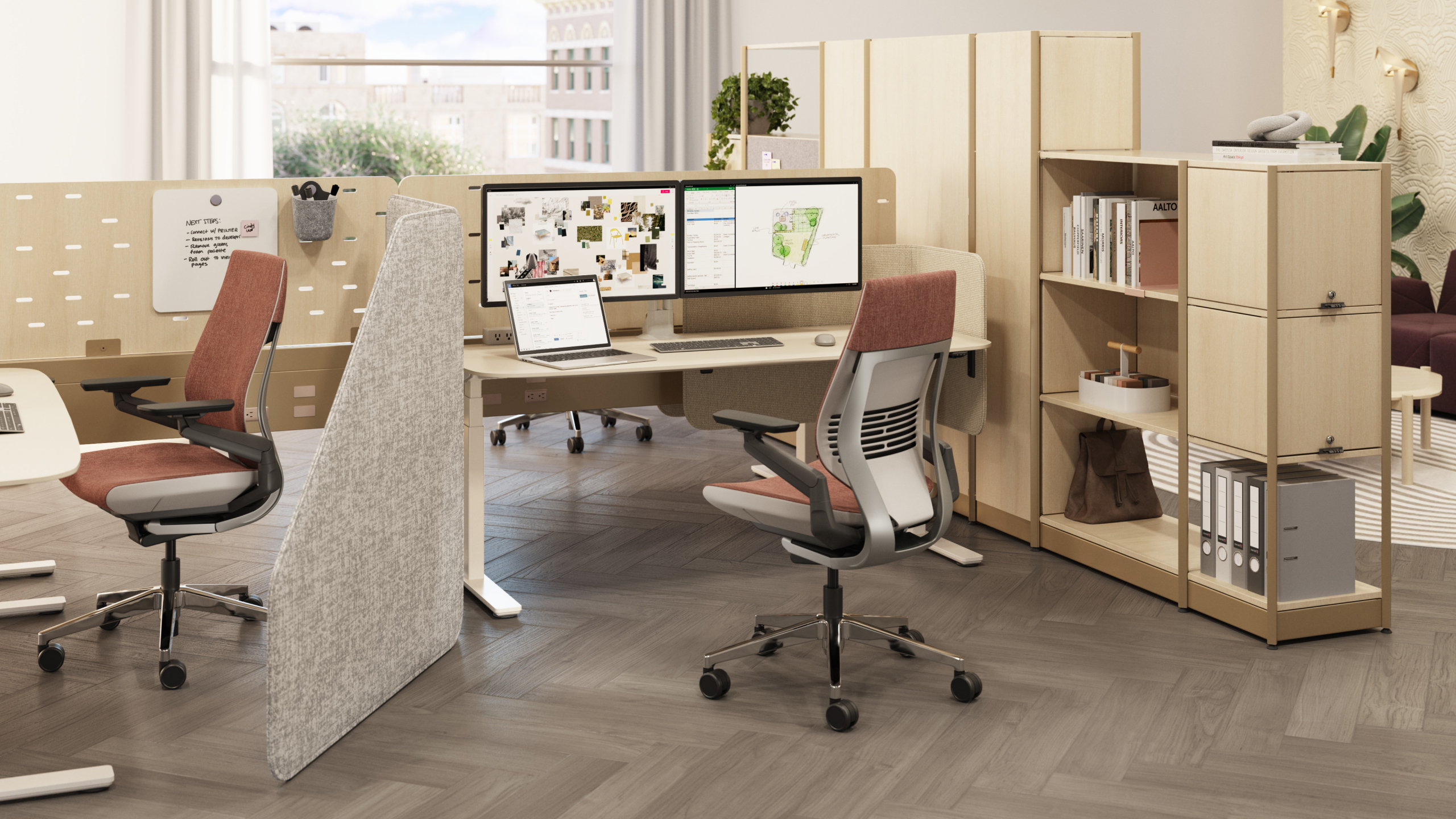
This tip is useful for home office environments as well. Purchasing a standing desk for a home office that can fit in the designated space but won’t allow you to reach areas like a closet or make it around the desk may not be worthwhile. Measure your home office space before buying a standing desk.
Focus on Function, Not Appearance
People commonly make the mistake of choosing a type of furniture and trying to fit it into a workspace. The correct way to think about it is to determine your workspace needs first and then choose a type of furniture that both fits your needs and is attractive.
Ask important questions to understand your requirements before purchasing products. How many people will be using a space? Do they need ample desk space for things like multiple computer monitors and paper products? Do they need individual and/or shared workspace? Offering hot desking and flexible office furniture options is generally more suitable for business clients with hybrid work arrangements than offering individual desks. Multifunctional office furniture can be a good option for smaller home office spaces used by home office clients.
Ask before you buy
The Chair Is the Most Important Item on the Agenda
As you ask what is the best furniture for a home office, don’t skimp on the chair. Office workers spend more than 10 hours a day seated. Health issues related to seat discomfort add up over time. According to the Human Factors and Ergonomics Society, office workers in ergonomic work environments are 15% more productive. The CDC found that workers who use sit-stand desks report 54% fewer cases of upper back and neck pain after one year. Companies that provide ergonomic office equipment report 67% fewer worker absences for musculoskeletal disorders.
Features to look for in an office chair include adjustable seat height and lumbar support that works for the user, not just in images, adjustable armrests, and other adjustable features. Materials used for the seat and back, such as mesh, allow ventilation and even pressure distribution. Consider the needs of all users when buying an office chair. Do not use dining room chairs or other low-cost chairs in a home office. Selecting an appropriate office chair helps you get the most use from your office furniture investment.
What to look for in a chair
Skip it
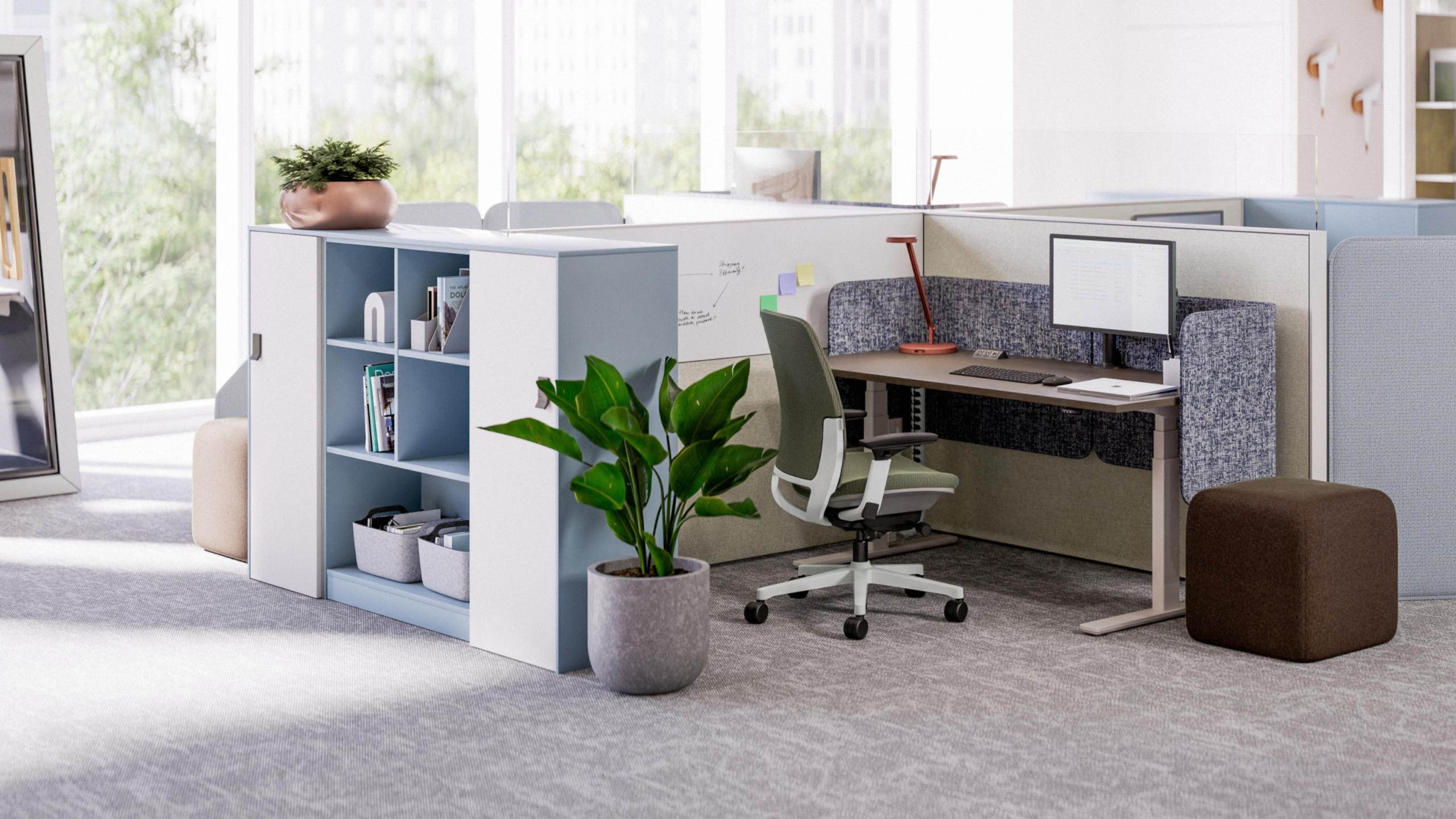
Sit-stand desks for office workers are no longer seen as a perk but as a useful office tool and health benefit with measurable benefits. Productivity improvements estimated for replacing traditional workstations with better ergonomic office furniture are around 12%.
Budget by Priority Level, Not Overall Amounts
Having one budget for all furniture purchases and buying all furniture at once may lead to overspending on visible office furniture and underspending on other needed items. Other ways to buy furniture include setting aside a budget for different types of furniture and purchasing them separately. Primary office furniture and equipment, such as chairs and tables that employees use frequently in their work, should account for 40 to 50 percent of total spending. Other office furniture, such as reception and storage furniture, should be the second-largest category of purchases. Aesthetic and culture items, such as lounge seating, decorative shelving, and accent furniture, should make up the rest of purchases.
Evaluate Your Choices Before Deciding What to Do
Flexibility is a critical need, not just a long-term objective.
Plan and purchase flexible office equipment. Changes in company goals and staffing levels and other factors may affect how office space is used. Replacing or modifying inflexible furnishings to suit new uses can be expensive. Flexibility is a critical need, not just a long-term objective, for office planning projects.
Let Workspace Inc. Help You Get It Right
Choosing the best office furniture involves many other considerations, such as where the furniture can be used, employee needs, and budget. Workspace Inc. provides services to both commercial and residential customers throughout the office furniture decision-making process, including consulting and installation services. Choices you make about your office furniture can impact your future office productivity. Weigh all your options.
FAQ
Quick answers on measuring, function, chairs, budget, and flexibility.
Why should I measure before buying office furniture?
Building dimensions alone aren’t enough. Consider door and window locations and uses, electrical and data jacks, and circulation paths, and leave 36 or more inches of clear space between desks and other furnishings or walls.
What should I decide before choosing furniture?
Determine your workspace needs first: how many people will use the space, how much desk space they need, and whether they need individual or shared workspace. Then choose furniture that fits those needs and is attractive.
What should I look for in an office chair?
Adjustable seat height, lumbar support that works for the user, adjustable armrests, and breathable materials such as mesh. Avoid dining room chairs and other low-cost chairs in a home office.
How should I split my office furniture budget?
Budget by priority rather than one lump sum. Primary furniture like chairs and tables should take 40 to 50 percent of total spending, other furniture such as reception and storage the second-largest share, and aesthetic and culture items the rest.
Why does flexibility matter when buying office furniture?
Company goals and staffing levels change, and replacing or modifying inflexible furnishings to suit new uses can be expensive.