

The way people work has shifted more over the last several years than it did in the previous few decades combined. Teams are spread across locations. Schedules vary from person to person. Some employees are at their desks every morning, others rotate through on different days, and many split their time between the office and somewhere else entirely. The traditional model of assigned workstations and rooms built for one fixed purpose was simply never designed to accommodate that kind of variability.
This is where flexibility stops being a buzzword and starts functioning as a real competitive advantage. At Workspace Inc., we partner with businesses throughout Iowa to think carefully about what their spaces need to accomplish today and where things are realistically headed down the road.
So, What Is Flexible Office Space?
Understanding What Is Flexible Office Space starts with a straightforward idea: a work environment intentionally designed to adapt rather than stay permanently fixed. Instead of locking every square foot into a single use, flexible spaces are built to shift based on the day, the size of the team present, and the type of work being done. A quiet focus area in the morning can transition into a collaborative zone by midday. Furniture moves. Configurations change. The space responds to the work rather than forcing the work to conform to the space.
This concept goes beyond simply removing walls or adding furniture on wheels, though those elements certainly have their place. Genuine flexibility is the result of thoughtful, intentional planning right from the beginning of the design process.
Why Organizations Are Making the Shift
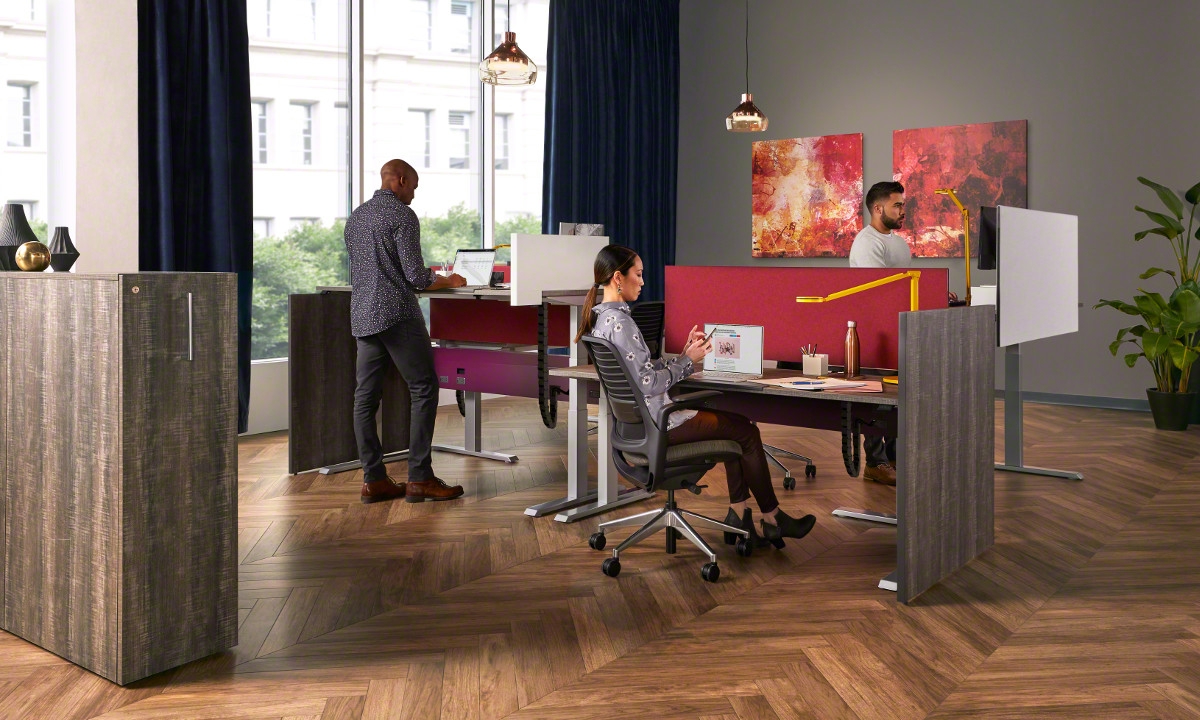
Growing interest in a Flexible Workspace reflects a broader change in how companies are being honest about office utilization. In many traditional layouts, a significant portion of the footprint goes unused on any given workday. Assigned desks sit empty. Conference rooms get scheduled once a week, if that. This kind of underutilization is not just a financial issue. It tends to create environments that feel disconnected from how people actually prefer to work.
When adaptability becomes the design priority, companies can align their physical footprint more closely with how their teams genuinely operate. Quiet, focused work and group collaboration can coexist in the same room without either one suffering for it. The space itself starts communicating something meaningful to the people spending their days inside it.
At Workspace Inc., this conversation comes up in nearly every project we take on. A well-designed office does more than solve a layout problem. It expresses the culture and values of the organization behind it.
What a Flexible Office Looks Like in Practice
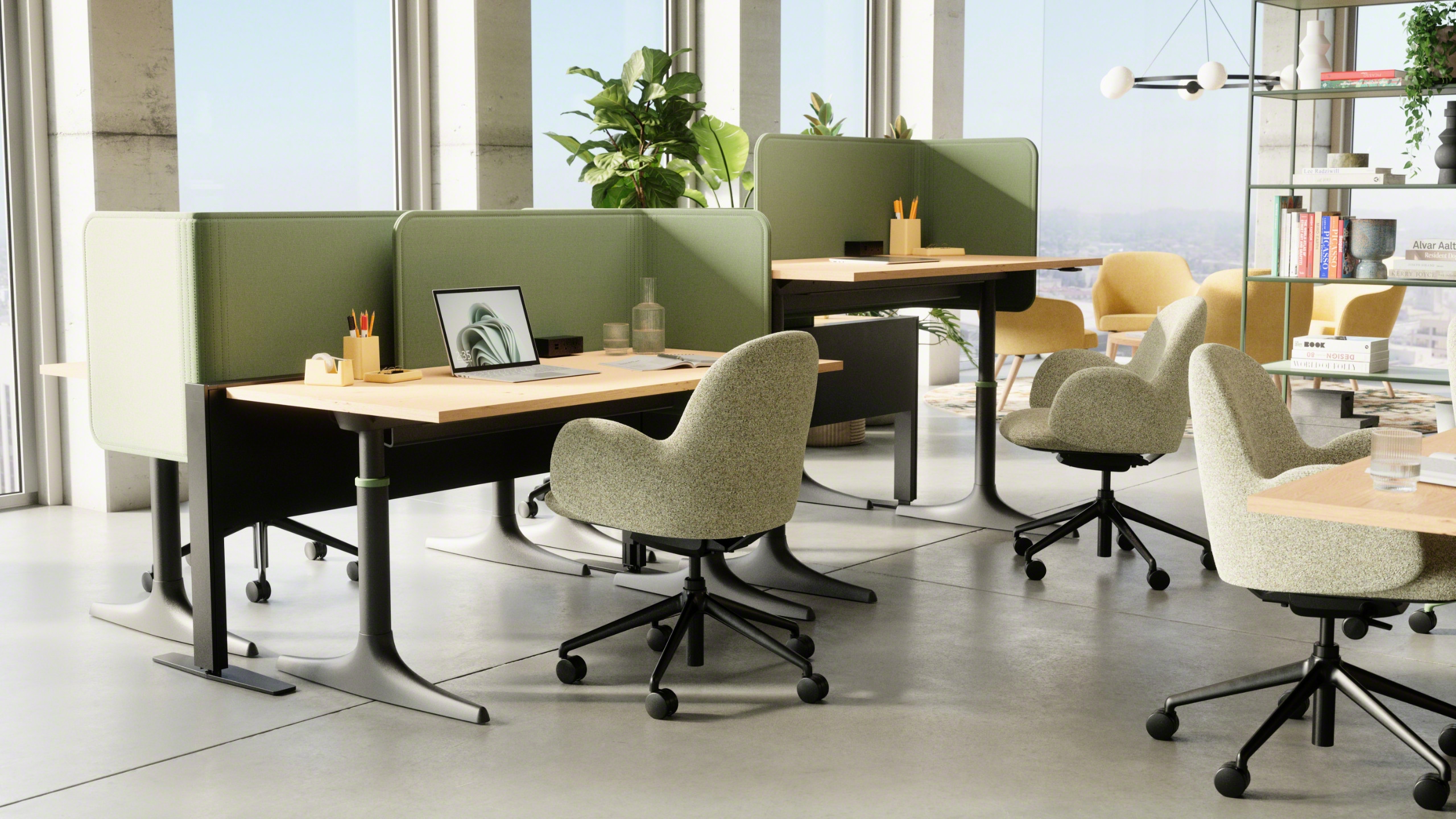
A Flexible Office takes different forms depending on team size, company culture, and the nature of daily work. Some organizations benefit from open floor plans with movable furniture and clearly defined zones for both focused tasks and group discussion. Others incorporate acoustic panels and mobile partitions that allow the space to shift in real time without triggering a costly renovation.
The Steelcase Node Chair is a strong example of a product built with this kind of thinking in mind. Originally developed for active learning environments, it performs naturally in professional office settings because it handles multiple functions without claiming extra floor space. It moves easily, includes storage built beneath the seat, and comfortably supports both individual work and group conversation within the same session. In a space designed around adaptability, multi-function products like this earn their spot quickly.
Building an Office Workspace That Holds Up Over Time
Creating an Office Workspace that can genuinely evolve requires more than selecting furniture from a catalog. The process starts with a clear understanding of how the team works right now and where the business expects to be a couple of years from now. Hybrid scheduling, client visit frequency, growth projections, and the tasks your team handles daily all influence what the space needs to deliver.
This planning phase is where Workspace Inc. consistently adds the most value for clients throughout Iowa. Our approach is built around listening before recommending. We want to understand the daily reality of a workspace before proposing a single change. The goal is always an environment that genuinely supports the people inside it, not one that looks impressive in a photograph but creates friction when real work begins.
Ready to Build Something Better?
If your current layout feels like it is working against your team rather than for them, exploring a more adaptable approach may be exactly the right move. Workspace Inc. helps businesses and home-based businesses design spaces that are purposeful, thoughtfully planned, and built around the people who use them every day. Reach out to our team and let’s figure out where to start.
Frequently Asked Questions
What is flexible office space?
Flexible office space is a work environment intentionally designed to adapt rather than stay permanently fixed. Instead of locking every square foot into a single use, it’s built to shift based on the day, the size of the team present, and the type of work being done, so a quiet focus area in the morning can transition into a collaborative zone by midday.
Why are more companies moving toward flexible workspaces?
Growing interest in flexible workspace reflects how companies are being more honest about office utilization. In many traditional layouts, a significant portion of the footprint goes unused on any given workday, with assigned desks sitting empty and conference rooms scheduled once a week if that. Flexible design lets companies align their physical footprint more closely with how their teams actually operate.
What does a flexible office look like in practice?
A flexible office takes different forms depending on team size, company culture, and the nature of daily work. Some organizations use open floor plans with movable furniture and clearly defined zones for focused tasks and group discussion, while others incorporate acoustic panels and mobile partitions that let the space shift in real time without a costly renovation.
What kind of furniture works well in a flexible office?
Multi-function furniture tends to earn its spot quickly in a flexible office. The Steelcase Node Chair is one example, since it moves easily, includes storage built beneath the seat, and comfortably supports both individual work and group conversation without claiming extra floor space.